

 Business License
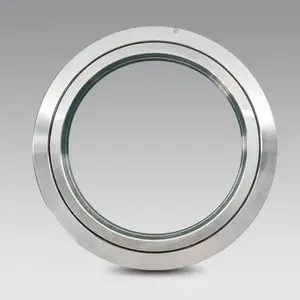
Seizing the Humanoid Robot Opportunity — The Bearing Market’s Next Growth Engine
The humanoid robot industry is rapidly transitioning from laboratories to production lines—and precision bearings are at the core of this transformation. For bearing manufacturers, this emerging sector represents a remarkable growth opportunity.
Understanding the demand magnitude
Each humanoid robot requires an estimated 70 or more bearings across its joints—for rotational joints, harmonic reducers, and linear actuators. Morgan Stanley projects the global robotics bearing market will grow from approximately US827millionin2025toaboutUS827millionin2025toaboutUS250 billion by 2050—a nearly 300-fold increase from its 2025 baseline. This projection captures only the original equipment market, excluding replacement and aftermarket demand.
Technical requirements
Bearings are the “joint soul” of robots. Precision, consistency, and stability directly determine joint motion accuracy, operational efficiency, and service life. Key requirements include:
High-precision manufacturing — achieving P5, P4, or P2 grade standards with ultra-low runout
High rigidity and moment load capacity — reduced deflection ensures precise end-effector positioning
Long life and high reliability — designated life expectancy exceeding 10,000 hours in demanding cyclic operations
Ultra-thin cross-sections — enabling joint compactness and overall robot lightweighting
Market growth and domestic substitution
Currently, the thin-walled crossed roller bearing market remains dominated by established international players. However, as the humanoid robot industry scales up rapidly, demand for specialized bearings is accelerating. This creates significant opportunities for qualified domestic alternatives.
Application of bearing steel in robotics has increased substantially—demand share has grown from less than 5% in 2020 to over 12% currently. Premium bearing steel accounts for nearly 15% of core robotics component materials, with ultra-high purity grades rising from 20% to over 35% of usage.
Ouna bearing‘s strategic response
We offer thin-walled crossed roller bearings, harmonic reducer bearings, and P5/P4/P2 precision grade bearings specifically designed for robotics applications. Our team can customize designs according to specific joint specifications and work directly with robot manufacturers through the product development and validation cycle.
As humanoid robots enter scaled deployment, reliable bearing suppliers will be essential. Contact us to discuss your robotics bearing requirements.

Recently Posted
-
Made in Luoyang – China‘s Bearings Have Come of Age. Here‘s Why You Should Take Notice
July 28, 2026For international buyers who have hesitated to source precision bearings from China, the evidence is now overwhelming: China‘s bea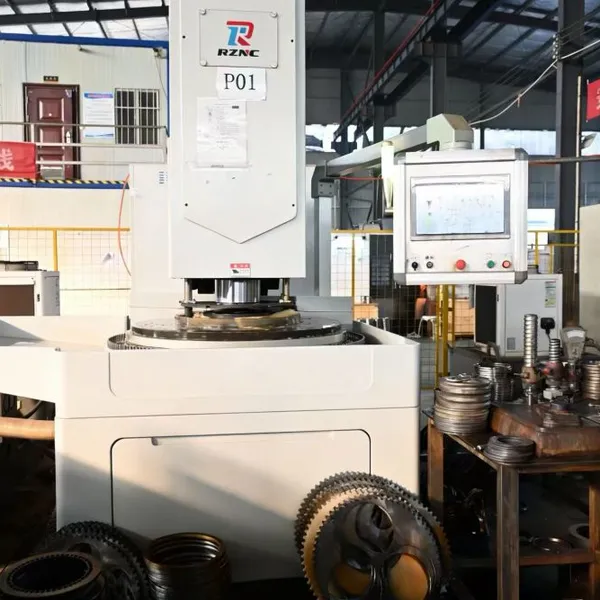 Read More
 -
ORT Series Rotary Table Bearings – The Smart Buyer‘s Choice for High‑Precision CNC Applications
July 28, 2026For CNC machine tool builders, the rotary table bearing is a mission-critical component. Its performance directly determines posit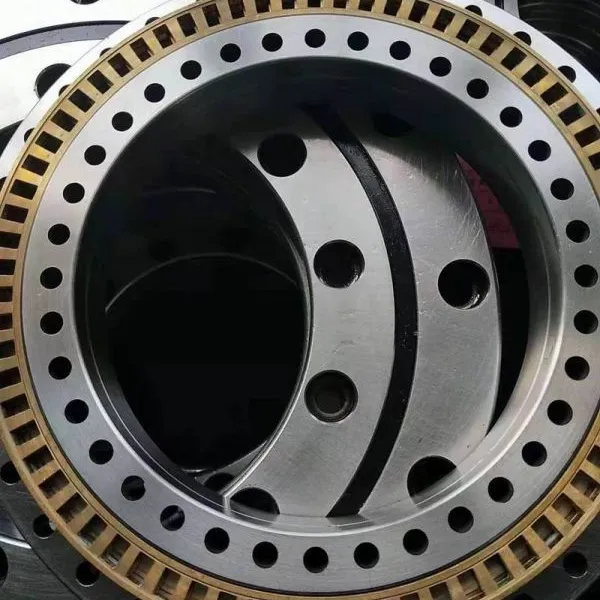 Read More
 -
Seize the Humanoid Robot Boom – The Bearing Market‘s Biggest Growth Opportunity
July 28, 2026The humanoid robot industry is transitioning from research labs to commercial production—and precision bearings are at the center Read More
 -
China’s Bearing Industry Has Come of Age – Here’s Why Global OEMs Are Paying Attention
July 28, 2026If you have historically sourced precision bearings only from traditional European and Japanese manufacturers due to quality conce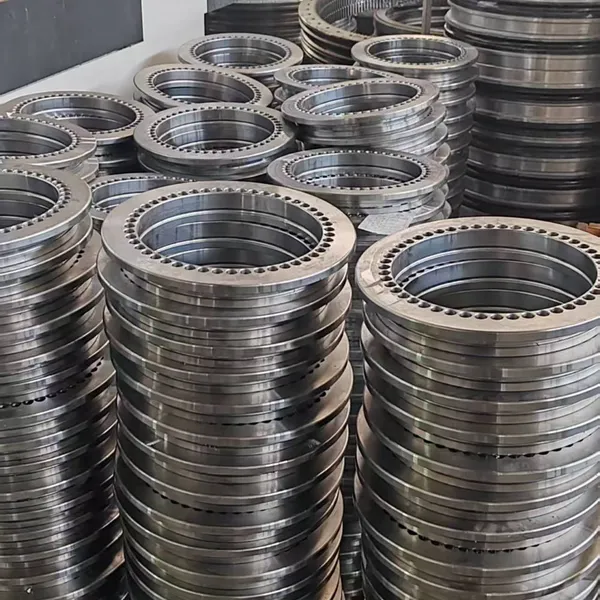 Read More

Contact Us
Recommended Products
-
 Thin-Walled Crossed Roller Bearings ORA 20013NegotiableMOQ: 5 Pieces
 -
Thin-Walled Crossed Roller Bearings ORA 19013NegotiableMOQ: 5 Pieces
-
Thin-Walled Crossed Roller Bearings ORA 6008NegotiableMOQ: 5 Pieces
-
Thin-Walled Crossed Roller Bearings ORA 5008NegotiableMOQ: 5 Pieces
-
Thin-Walled Crossed Roller Bearings ORE 15025NegotiableMOQ: 5 Pieces

-
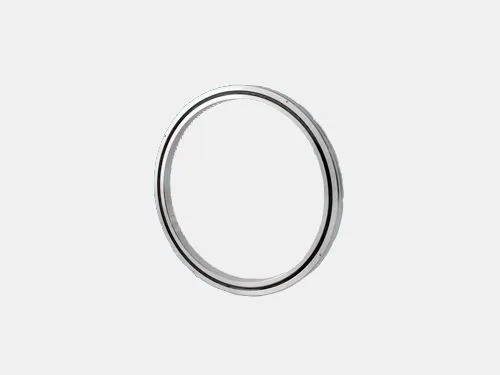
Thin-Walled Crossed Roller Bearings ORE 14016NegotiableMOQ: 5 Pieces
-
Thin-Walled Crossed Roller Bearings ORE 2508NegotiableMOQ: 5 Pieces
-
Thin-Walled Crossed Roller Bearings ORE 2008NegotiableMOQ: 5 Pieces
-
OKLDF Thrust Angular Contact Ball Bearings Series OKLDF 150NegotiableMOQ: 5 Pieces
-
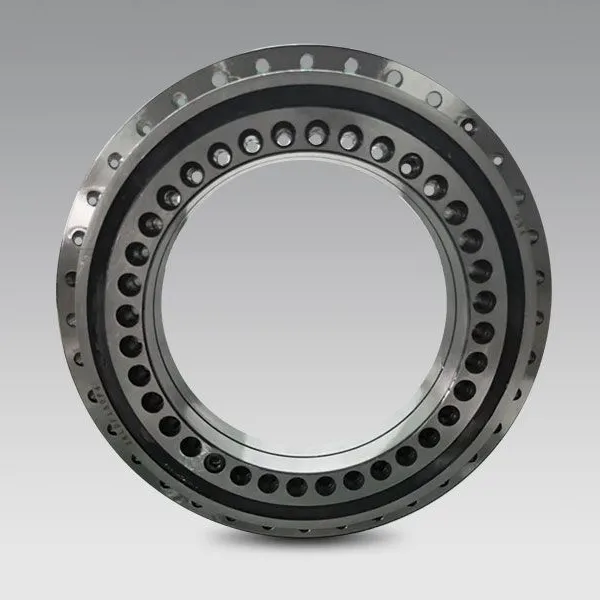
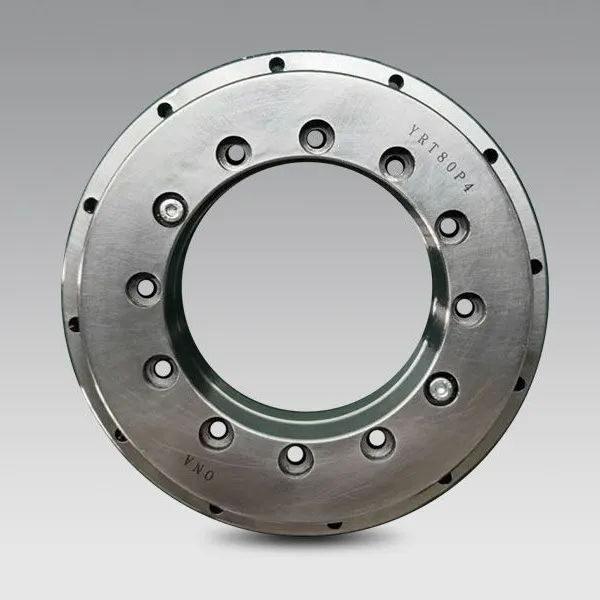
High Precision Rotary Table Bearings ORT 200NegotiableMOQ: 5 Pieces
-
High Precision Rotary Table Bearings ORT 150NegotiableMOQ: 5 Pieces
-
High Precision Rotary Table Bearings ORT 120NegotiableMOQ: 5 Pieces
-
High Precision Rotary Table Bearings ORT 100NegotiableMOQ: 5 Pieces
-
High Precision Rotary Table Bearings ORT 80NegotiableMOQ: 5 Pieces
-
High Precision Rotary Table Bearings ORT 50NegotiableMOQ: 5 Pieces

-
High Precision Rotary Table Bearings ORT 260NegotiableMOQ: 5 Pieces
-
High Precision Rotary Table Bearings ORT 180NegotiableMOQ: 5 Pieces
-
OKLDF Thrust Angular Contact Ball Bearings Series OKLDF 120NegotiableMOQ: 5 Pieces
-
OKLDF Thrust Angular Contact Ball Bearings Series OKLDF 325NegotiableMOQ: 5 Pieces
-
OKLDF Thrust Angular Contact Ball Bearings Series OKLDF 580NegotiableMOQ: 5 Pieces
