

 Business License
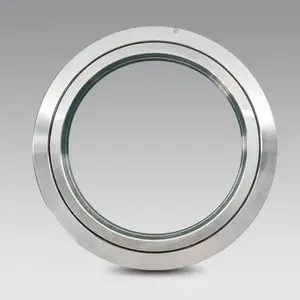
Seize the Humanoid Robot Boom – The Bearing Market‘s Biggest Growth Opportunity
The humanoid robot industry is transitioning from research labs to commercial production—and precision bearings are at the center of this transformation. If you manufacture robotic systems, securing your bearing supply chain now could determine your success in this fast-growing market.
Numbers that Demand Attention
The data is compelling. The global robotics bearings market was valued at approximately USD 985.6 million in 2024 and is expected to reach USD 2.36 billion by 2033, growing at a CAGR of 10.2% [14†L5-L10]. In 2025, the global cross roller bearings market was estimated at USD 1.55 billion and is projected to reach USD 2.06 billion by 2032, growing at a CAGR of 4.08% [16†L14-L16]. More dramatically, the global humanoid robot crossed roller bearing market is predicted to surge from USD 16 million in 2025 to USD 159 million in 2031—a remarkable CAGR of 46.7% [13†L4-L7]. China‘s humanoid robot bearing market alone is projected to reach between USD 1.81 billion and USD 3.08 billion by 2030, growing at over 70% annually [10†L3-L4].
Why Every Humanoid Robot Depends on High‑Precision Bearings
A single humanoid robot requires a substantial number of bearings across its structure: harmonic reducer bearings, planetary reducer bearings, motor bearings, and lead screw bearings [10†L3-L4]. Crossed roller bearings, in particular, are used in rotating joints—shoulders, elbows, hips, and knees—because they can simultaneously withstand radial forces, axial forces, and torque loads while maintaining a compact form factor [13†L7-L12]. Each Tesla humanoid robot may incorporate 14 harmonic reducer bearings and 28 motor bearings [10†L3-L4]. Bearings are not optional—they are the structural core enabling precise motion [10†L8-L9].
Position Your Supply Chain for the Future
As humanoid robots move toward scaled deployment, those who secure bearing capacity early will have a significant edge. We manufacture thin-walled crossed roller bearings specifically engineered for humanoid robot joints, as well as bearings for harmonic reducers and custom robot bearing designs—all available in P5, P4, and P2 precision grades.
Action: Contact our robotics bearing team with your joint specifications or anticipated volumes. We will provide design‑in support, sample qualification, and volume pricing for your 2026 and 2027 production planning.
Recently Posted
-
Made in Luoyang – China‘s Bearings Have Come of Age. Here‘s Why You Should Take Notice
July 28, 2026For international buyers who have hesitated to source precision bearings from China, the evidence is now overwhelming: China‘s bea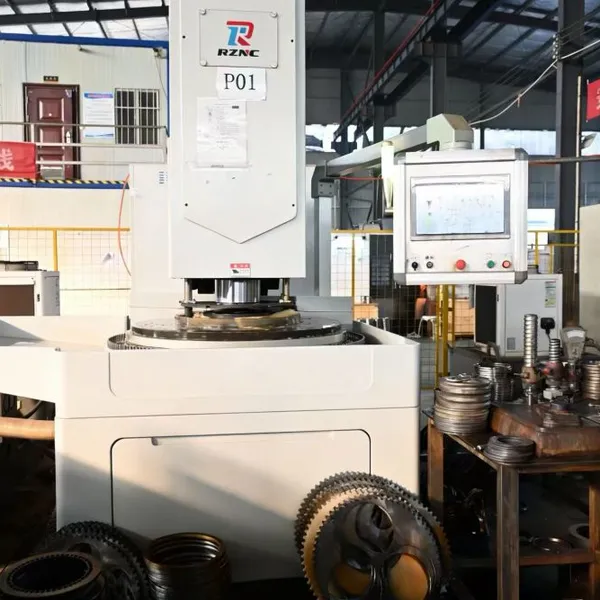 Read More
 -
ORT Series Rotary Table Bearings – The Smart Buyer‘s Choice for High‑Precision CNC Applications
July 28, 2026For CNC machine tool builders, the rotary table bearing is a mission-critical component. Its performance directly determines posit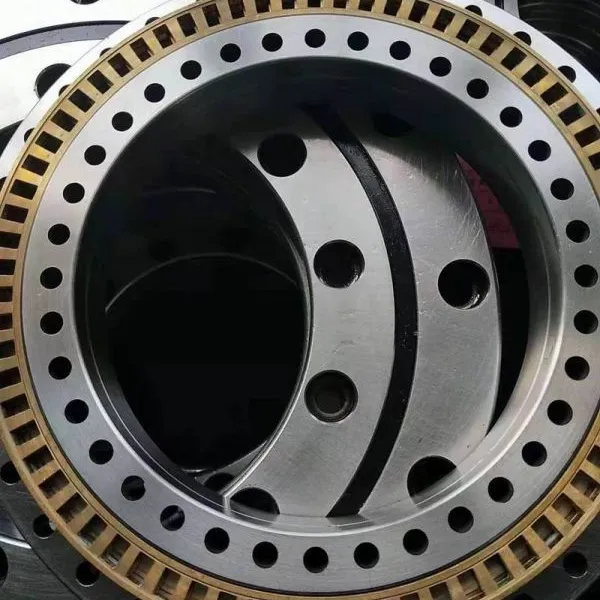 Read More
 -
China’s Bearing Industry Has Come of Age – Here’s Why Global OEMs Are Paying Attention
July 28, 2026If you have historically sourced precision bearings only from traditional European and Japanese manufacturers due to quality conce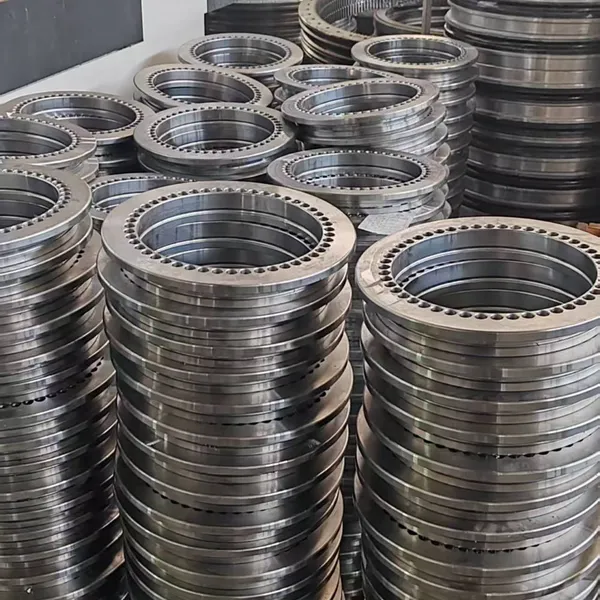 Read More
 -
Upgrade Your CNC Performance with ORT Series Rotary Table Bearings – A Direct Drop‑In Replacement
July 28, 2026For CNC machine tool builders, the rotary table bearing is a mission‑critical component. Its performance directly determines posit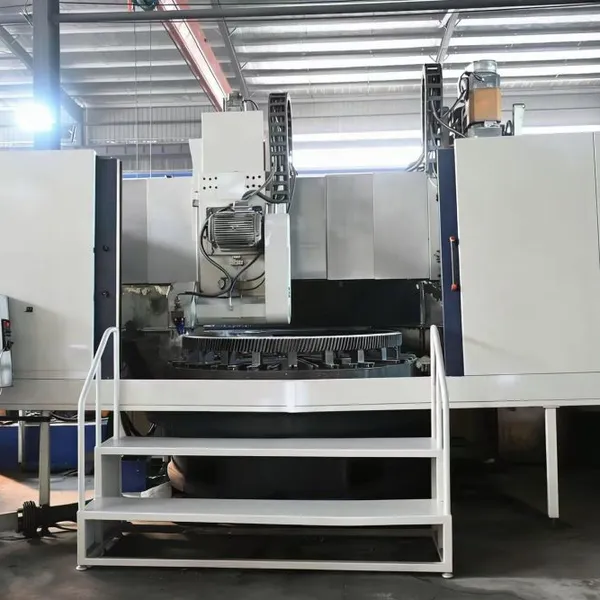 Read More

Contact Us
Recommended Products
-
 Thin-Walled Crossed Roller Bearings ORA 20013NegotiableMOQ: 5 Pieces
 -
Thin-Walled Crossed Roller Bearings ORA 19013NegotiableMOQ: 5 Pieces
-
Thin-Walled Crossed Roller Bearings ORA 6008NegotiableMOQ: 5 Pieces
-
Thin-Walled Crossed Roller Bearings ORA 5008NegotiableMOQ: 5 Pieces
-
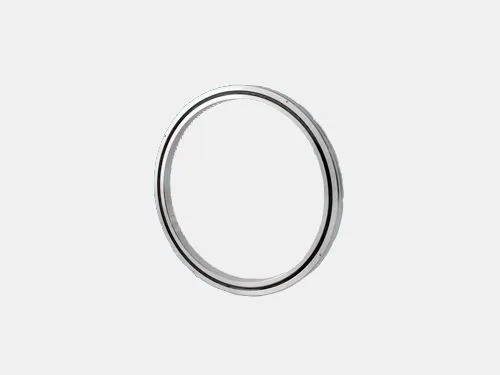
Thin-Walled Crossed Roller Bearings ORE 15025NegotiableMOQ: 5 Pieces

-
Thin-Walled Crossed Roller Bearings ORE 14016NegotiableMOQ: 5 Pieces
-
Thin-Walled Crossed Roller Bearings ORE 2508NegotiableMOQ: 5 Pieces
-
Thin-Walled Crossed Roller Bearings ORE 2008NegotiableMOQ: 5 Pieces
-
OKLDF Thrust Angular Contact Ball Bearings Series OKLDF 150NegotiableMOQ: 5 Pieces
-
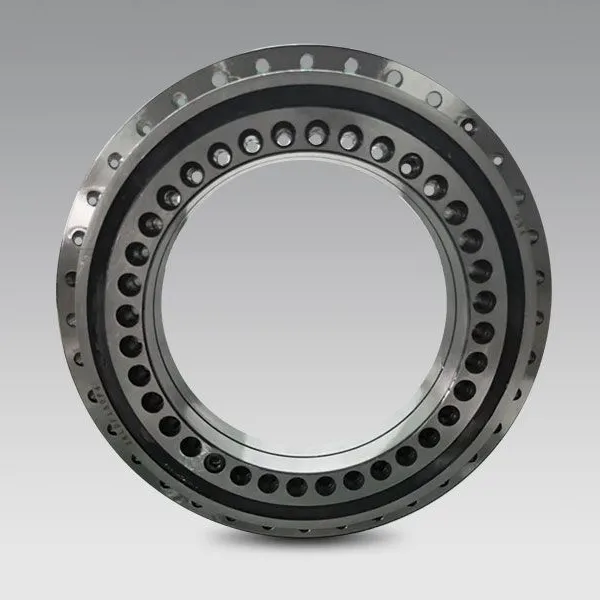
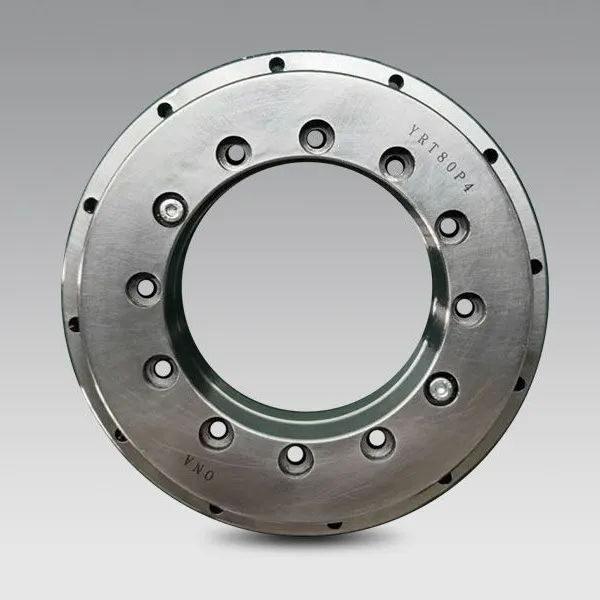
High Precision Rotary Table Bearings ORT 200NegotiableMOQ: 5 Pieces
-
High Precision Rotary Table Bearings ORT 150NegotiableMOQ: 5 Pieces
-
High Precision Rotary Table Bearings ORT 120NegotiableMOQ: 5 Pieces
-
High Precision Rotary Table Bearings ORT 100NegotiableMOQ: 5 Pieces
-
High Precision Rotary Table Bearings ORT 80NegotiableMOQ: 5 Pieces
-
High Precision Rotary Table Bearings ORT 50NegotiableMOQ: 5 Pieces

-
High Precision Rotary Table Bearings ORT 260NegotiableMOQ: 5 Pieces
-
High Precision Rotary Table Bearings ORT 180NegotiableMOQ: 5 Pieces
-
OKLDF Thrust Angular Contact Ball Bearings Series OKLDF 120NegotiableMOQ: 5 Pieces
-
OKLDF Thrust Angular Contact Ball Bearings Series OKLDF 325NegotiableMOQ: 5 Pieces
-
OKLDF Thrust Angular Contact Ball Bearings Series OKLDF 580NegotiableMOQ: 5 Pieces
