

 Business License
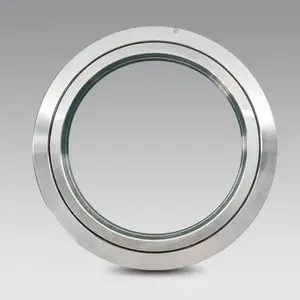
Understanding Bearing Standards — A Guide to ISO, ABEC, and ASTM for Global Buyers
For international buyers sourcing precision bearings from China, understanding the relevant quality standards is essential. The three principal standards in the bearing industry—ISO, ABEC, and ASTM—each address different aspects of bearing design, manufacturing, and testing. Knowing how they relate helps you compare suppliers and verify product quality.
ISO standards are the internationally recognized specifications developed by the International Organization for Standardization (ISO) to unify bearing dimensions, tolerances, accuracy grades, material requirements, and inspection methods. The most widely referenced standards include:
ISO 281 defines the basic rating life calculation method for bearings and serves as an important basis for engineering selection
ISO 492 specifies bearing tolerance classes and accuracy grades such as P0, P6, P5, P4, and P2—the foundation of precision classification
ISO 492 (revised 2023) provides the latest tolerance framework for radial bearings, with classes ranging from Normal (standard precision) to Class 2 (highest precision)
ISO 355 defines boundary dimensions and series designations for tapered roller bearings
ISO 683-17 specifies the technical requirements for ball and roller bearing steels, including the widely used GCr15 material
Lower ISO class numbers indicate higher precision. Class 5 (P5) bearings suit high-speed pumps and electric motors, while Class 4 (P4) applies to CNC spindles and robotics. Class 2 (P2) is reserved for the most demanding precision instruments and aerospace components.
ABEC standards (Annular Bearing Engineering Committee) originate from North America and are part of the ANSI/ABMA system. ABEC precision classes (ABEC 1, 3, 5, 7, 9) correspond roughly to ISO classes: ABEC 5 ≈ ISO Class 5, ABEC 7 ≈ ISO Class 4. However, ABEC defines only dimensional tolerances, not load capacity, material quality, or lubrication performance—making it less comprehensive than the full ISO framework.
ASTM standards focus specifically on material composition and testing methods. These standards matter for manufacturing-level verification: chemical composition limits for bearing steel, mechanical property requirements (hardness, strength, wear resistance), and inspection methods for quality assurance.
What these standards mean for you:
ISO standards form the basic framework of the global bearing industry, enabling products from different countries to achieve good interchangeability and consistency. For procurement decisions:
Requiring ISO 492 compliance (specifying P5, P4, or P2 grades) ensures bearings are tested by recognized methods
ASTM compliance provides confidence in material composition and heat treatment
Understanding these standards reduces communication costs and quality risks in international trade
How Ouna Bearing meets global standards
At Luoyang Ouna Bearing, every product—crossed roller bearings (ORA, ORB, ORE, ORU, ORAU, ORBH, OSX, OXSU, OXU series), ORT series rotary table bearings, and four-point contact ball slewing bearings—is manufactured to precision grades P5, P4, and P2. Our manufacturing processes follow ISO 492 tolerance classes, and our material selection complies with bearing steel specifications under ISO 683-17, including the GCr15 standard which is universally adopted across the industry. Our bearings also meet the stringent ISO 281 rating life standard, ensuring reliable performance over extended operation periods.
Ready to source with confidence? Contact us for compliance documentation or to request ISO certification reports with every shipment. We support your quality assurance process with full standards traceability.
Recently Posted
-
Made in Luoyang – China‘s Bearings Have Come of Age. Here‘s Why You Should Take Notice
July 28, 2026For international buyers who have hesitated to source precision bearings from China, the evidence is now overwhelming: China‘s bea Read More
 -
ORT Series Rotary Table Bearings – The Smart Buyer‘s Choice for High‑Precision CNC Applications
July 28, 2026For CNC machine tool builders, the rotary table bearing is a mission-critical component. Its performance directly determines posit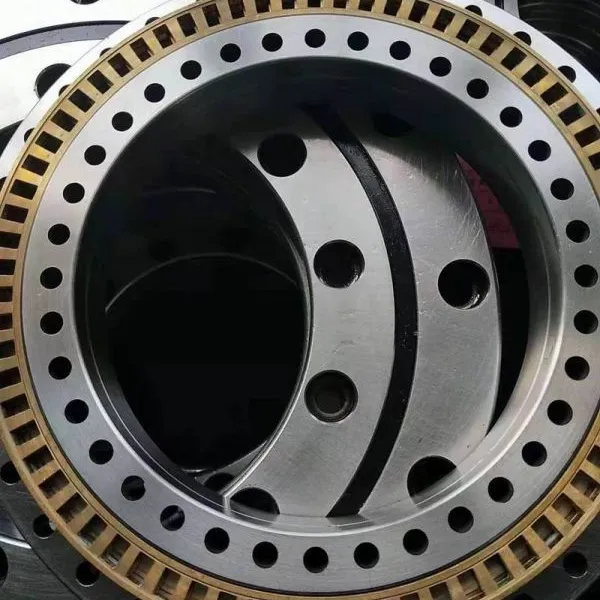 Read More
 -
Seize the Humanoid Robot Boom – The Bearing Market‘s Biggest Growth Opportunity
July 28, 2026The humanoid robot industry is transitioning from research labs to commercial production—and precision bearings are at the center Read More
 -
China’s Bearing Industry Has Come of Age – Here’s Why Global OEMs Are Paying Attention
July 28, 2026If you have historically sourced precision bearings only from traditional European and Japanese manufacturers due to quality conce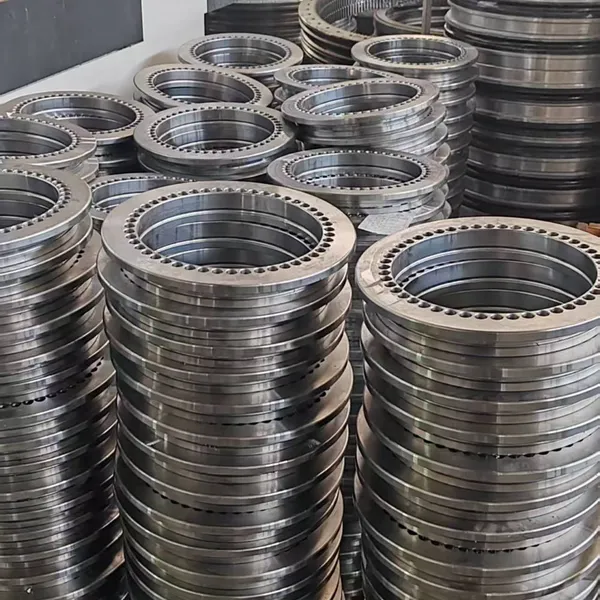 Read More

Contact Us
Recommended Products
-
 Thin-Walled Crossed Roller Bearings ORA 20013NegotiableMOQ: 5 Pieces
 -
Thin-Walled Crossed Roller Bearings ORA 19013NegotiableMOQ: 5 Pieces
-
Thin-Walled Crossed Roller Bearings ORA 6008NegotiableMOQ: 5 Pieces
-
Thin-Walled Crossed Roller Bearings ORA 5008NegotiableMOQ: 5 Pieces
-
Thin-Walled Crossed Roller Bearings ORE 15025NegotiableMOQ: 5 Pieces

-
Thin-Walled Crossed Roller Bearings ORE 14016NegotiableMOQ: 5 Pieces
-
Thin-Walled Crossed Roller Bearings ORE 2508NegotiableMOQ: 5 Pieces
-
Thin-Walled Crossed Roller Bearings ORE 2008NegotiableMOQ: 5 Pieces
-
OKLDF Thrust Angular Contact Ball Bearings Series OKLDF 150NegotiableMOQ: 5 Pieces
-
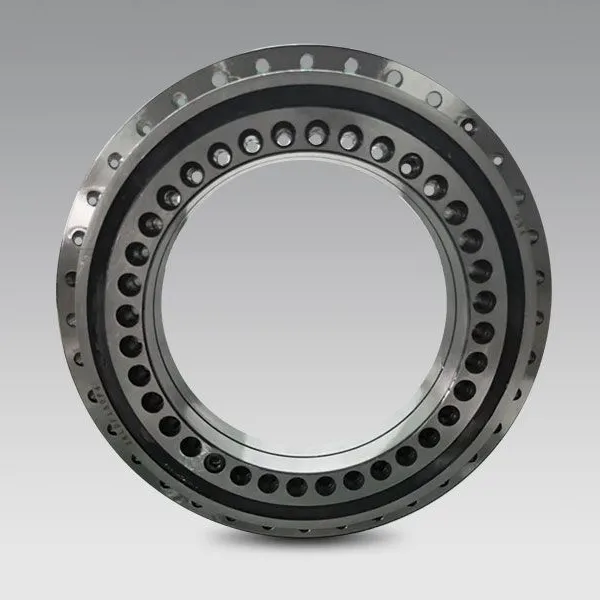
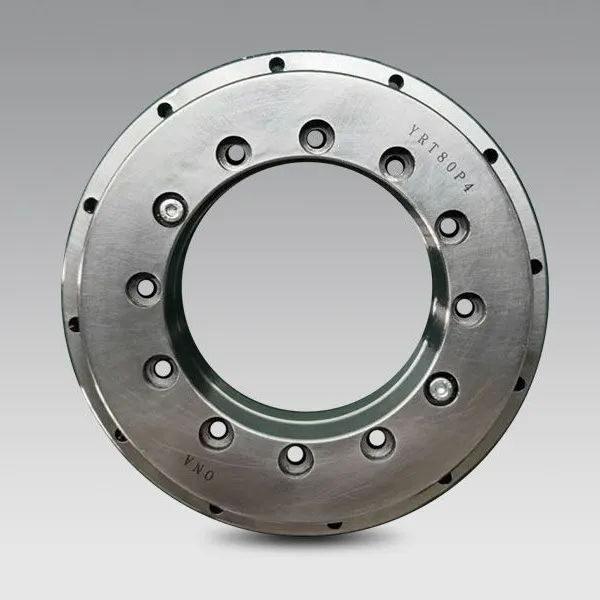
High Precision Rotary Table Bearings ORT 200NegotiableMOQ: 5 Pieces
-
High Precision Rotary Table Bearings ORT 150NegotiableMOQ: 5 Pieces
-
High Precision Rotary Table Bearings ORT 120NegotiableMOQ: 5 Pieces
-
High Precision Rotary Table Bearings ORT 100NegotiableMOQ: 5 Pieces
-
High Precision Rotary Table Bearings ORT 80NegotiableMOQ: 5 Pieces
-
High Precision Rotary Table Bearings ORT 50NegotiableMOQ: 5 Pieces

-
High Precision Rotary Table Bearings ORT 260NegotiableMOQ: 5 Pieces
-
High Precision Rotary Table Bearings ORT 180NegotiableMOQ: 5 Pieces
-
OKLDF Thrust Angular Contact Ball Bearings Series OKLDF 120NegotiableMOQ: 5 Pieces
-
OKLDF Thrust Angular Contact Ball Bearings Series OKLDF 325NegotiableMOQ: 5 Pieces
-
OKLDF Thrust Angular Contact Ball Bearings Series OKLDF 580NegotiableMOQ: 5 Pieces
