

 Business License
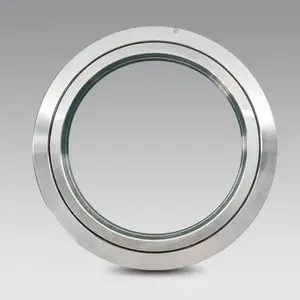
Crossed Roller Bearings in Industrial Robotics — Powering the Automation Revolution
Industrial robotics is one of the fastest-growing application segments for crossed roller bearings, and the numbers speak for themselves. The global crossed roller bearings for industrial robots market was valued at US195millionin2024andisforecasttoreachUS195millionin2024andisforecasttoreachUS259 million by 2031, growing at a CAGR of 4.2%. The broader crossed roller bearings market reached US565millionin2024,withprojectionsofUS565millionin2024,withprojectionsofUS779 million by 2031 at a CAGR of 4.8%.
Where demand is concentrated
Asia-Pacific dominates the global crossed roller bearings market with approximately 55% share, followed by Europe at 21% and North America at 17%. In terms of product type, inner ring rotation bearings represent the largest segment at 44% of market share. Industrial robot applications alone account for approximately 33% of all crossed roller bearing consumption.
Why crossed roller bearings for robots?
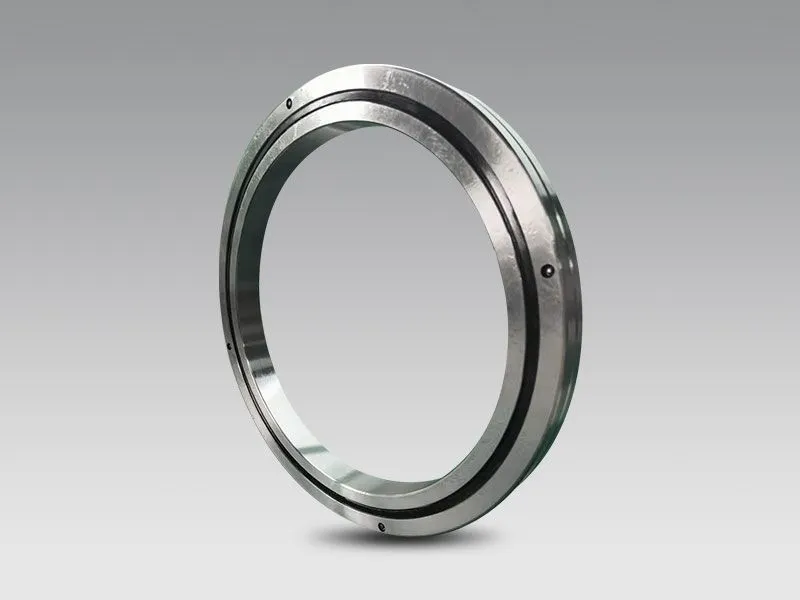
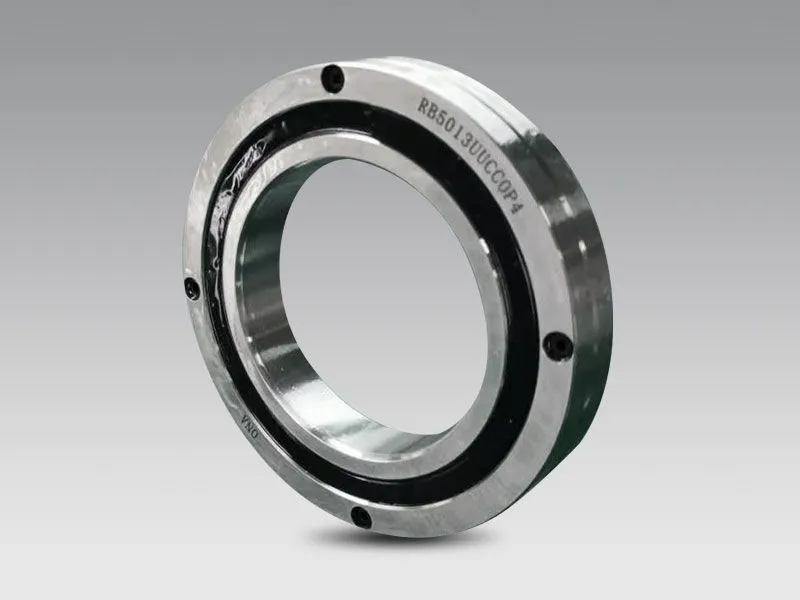
Industrial robots require bearings that simultaneously manage radial loads, axial loads, and moment loads—all while maintaining high rotational accuracy. Crossed roller bearings fulfill this need with their orthogonal roller arrangement. A single crossed roller bearing can replace multiple conventional bearings, simplifying robot arm designs while enhancing performance.
Key robotics applications leveraging crossed roller bearings include:
Rotating joints : the waists, shoulders, elbows, and wrists of industrial robot arms
Harmonic reducer supports : providing stable output for compact gear reduction systems
Rotary axes : enabling precise motion for 5-axis machining centers integrated with robotic loading
The crossed roller bearing‘s orthogonal X-shaped layout, where rollers are staggered at a 90° angle, creates an “X”-shaped contact line that synchronously balances multidirectional loading without interaction between adjacent components. This unique geometry enables robotics applications requiring high repeat positioning accuracy in compact envelopes.
Material and precision requirements
For robotics applications, bearing steel must meet GCr15 hardness specifications (HRC 60-62). Surface hardening extends fatigue life by approximately 30% while improving wear resistance under rapid articulation. P5/P4 precision grades ensure rotational accuracy at nanometer-level radial runout. Lightweight composites, such as nylon 66 cages, reduce overall equipment weight while brass cages suit high-speed articulation and resist deformation under cyclic loading.
Ouna Bearing‘s robotics portfolio
At Luoyang Ouna Bearing, our crossed roller bearings are specifically engineered for industrial robotics applications. Our product range includes the full ORA, ORB, ORE, ORU, ORAU, ORBH, OSX, OXSU, OXU, and ORBS series, plus JXR and XR series crossed tapered roller bearings—all available in precision grades P5, P4, and P2 with outer diameters from φ20mm to φ2500mm. We accept custom designs for specialized robot joint requirements, working directly with robot manufacturers to meet exacting performance targets.
Powering the automation revolution — industrial robot manufacturers need trusted bearing partners who understand application requirements. Our bearings are ready for the robotics market, whether for articulated arms, SCARA robots, or collaborative systems.
Ready to upgrade your robot bearings? Contact us with your joint specifications. Our engineering team works alongside robotics manufacturers to optimize bearing selection or custom designs for your next-generation automation platforms.
Recently Posted
-
Upgrade Your CNC Performance with ORT Series Rotary Table Bearings – A Direct Drop‑In Replacement
June 3, 2026For CNC machine tool builders, the rotary table bearing is a mission‑critical component. Its performance directly determines posit Read More
 -
China’s Bearing Industry Has Come of Age – Here’s Why Global OEMs Are Paying Attention
June 3, 2026If you have historically sourced precision bearings only from traditional European and Japanese manufacturers due to quality conce Read More
 -
Seize the Humanoid Robot Boom – The Bearing Market‘s Biggest Growth Opportunity
June 3, 2026The humanoid robot industry is transitioning from research labs to commercial production—and precision bearings are at the center Read More
 -
ORT Series Rotary Table Bearings – The Smart Buyer‘s Choice for High‑Precision CNC Applications
May 29, 2026For CNC machine tool builders, the rotary table bearing is a mission-critical component. Its performance directly determines posit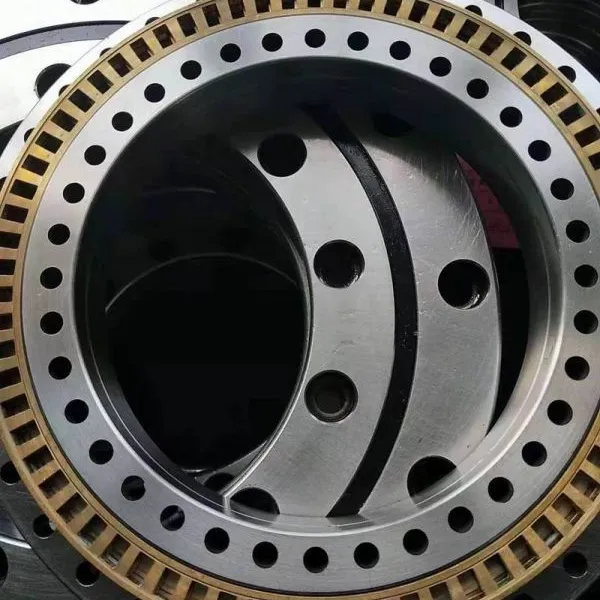 Read More

Contact Us
Recommended Products
-
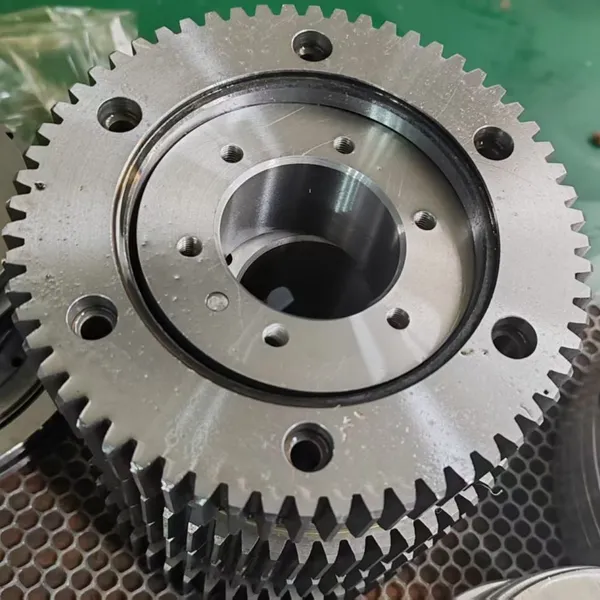
 SHF Series Harmonic Drive BearingsNegotiableMOQ: 5 Pieces
 -
Robot Reducer BearingNegotiableMOQ: 5 Pieces
-
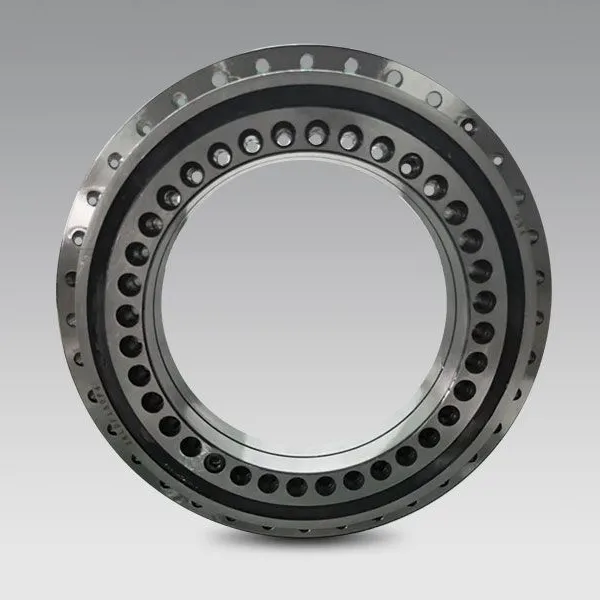
Robot Hollow Rotating Platform BearingNegotiableMOQ: 5 Pieces
-
Precision Slewing Bearings OXA 200810NNegotiableMOQ: 5 Pieces
-
OKLDF Thrust Angular Contact Ball Bearings Series OKLDF 100NegotiableMOQ: 5 Pieces
-
SHF Series Harmonic Drive BearingsNegotiableMOQ: 5 Pieces
-
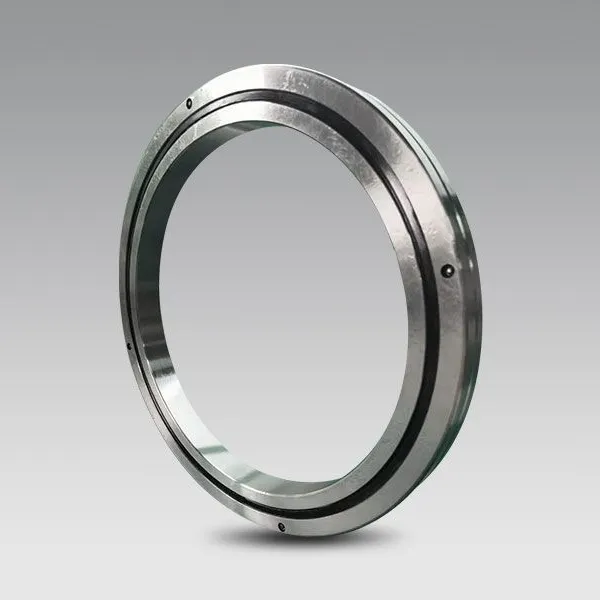
Thin-Walled Crossed Roller Bearings ORB 6013NegotiableMOQ: 5 Pieces
-
Thin-Walled Crossed Roller Bearings ORB 5013NegotiableMOQ: 5 Pieces
-
Thin-Walled Crossed Roller Bearings ORB 4510NegotiableMOQ: 5 Pieces
-
Thin-Walled Crossed Roller Bearings ORB 3010NegotiableMOQ: 5 Pieces
-
Thin-Walled Crossed Roller Bearings ORB 3510NegotiableMOQ: 5 Pieces
-
Thin-Walled Crossed Roller Bearings ORB 2508NegotiableMOQ: 5 Pieces
-
Thin-Walled Crossed Roller Bearings ORB 2008NegotiableMOQ: 5 Pieces
-
Thin-Walled Crossed Roller Bearings ORB 4010NegotiableMOQ: 5 Pieces
-
Thin-Walled Crossed Roller Bearings ORU 445(G)/445(X)NegotiableMOQ: 5 Pieces
-
Thin-Walled Crossed Roller Bearings ORU 297(G)/297(X)NegotiableMOQ: 5 Pieces
-
Thin-Walled Crossed Roller Bearings ORU 228(G)/228(X)NegotiableMOQ: 5 Pieces
-
Thin-Walled Crossed Roller Bearings ORU 178(G)/178(X)NegotiableMOQ: 5 Pieces
-
Thin-Walled Crossed Roller Bearings ORU 148(G)/148(X)NegotiableMOQ: 5 Pieces
-
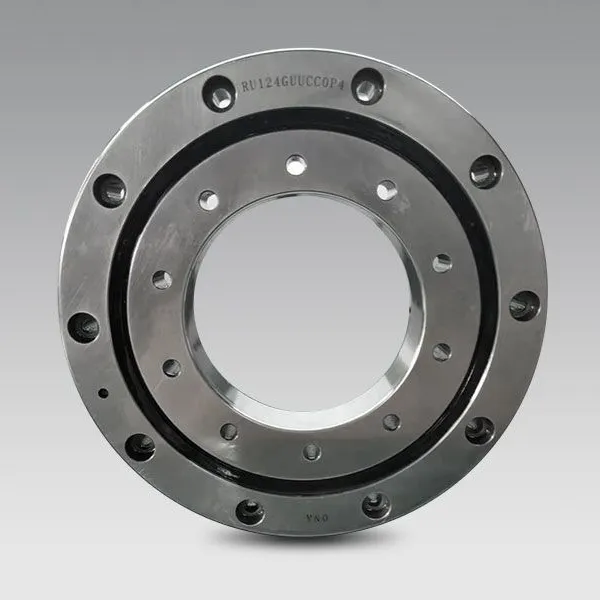
Thin-Walled Crossed Roller Bearings ORU 124(G)/124(X)NegotiableMOQ: 5 Pieces
