

 Business License
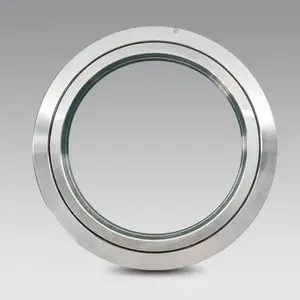
Bearings in Collaborative Robots — Meeting the Unique Demands of Safe, Human-Friendly Automation
Collaborative robots (cobots) represent one of the fastest-growing segments in industrial automation — and one of the most demanding applications for precision bearings.
Unlike traditional industrial robots that operate behind safety cages, cobots work directly alongside humans. This requires fundamentally different design priorities: lightweight construction, inherent safety, and smooth, predictable motion.
Bearings for cobots must meet demanding requirements: ultra-lightweight yet high rigidity-to-weight ratio for joint compactness, extremely low and consistent friction across the robot‘s entire operating speed range, smooth operation without cogging or torque ripple when handled manually or in collaborative mode, silence during operation for user-friendly joint noise, extended maintenance intervals for equipment that may operate for years without bearing service, and high precision for consistently accurate path following with end-of-arm tooling in collaborative applications.
Key bearing types used in cobots:
Crossed roller bearings are the most common choice for cobot rotational joints (waist, shoulder, elbow) — providing high moment load capacity for all-day operation, exceptional rotational accuracy, and excellent stiffness in a compact profile. Thin angular contact ball bearings are often preferred where weight is the primary constraint — featuring four-point contact within a single raceway, lower weight and friction than crossed rollers, and suitability for smaller, lighter cobots. Harmonic drive bearings are required for compact gear reduction — each unit needing one crossed roller bearing and one flexible bearing. Hollow-shaft bearings are needed for cable passage through the robot‘s joints for wiring and tubing management.
Preventive maintenance for cobot bearings is essential for extending lifespan and reducing failures. Regular maintenance schedules should include cleaning, lubrication reapplication, and bearing inspection. Condition monitoring systems that detect early signs of wear or damage before failure occurs offer significant value. A robot base rotation joint inspection should include removing dust covers to check bearing raceways — presence of pitting or cage damage requires immediate replacement. CMM, surface roughness testers, ultrasonic testing equipment, vibration analyzers, torque testers, and clearance gauges each play a role in comprehensive cobot bearing inspection.
Key detection standards for cobot bearings include ISO 15242 (bearing vibration measurement) and ISO 10816-3 (vibration criteria for bearing rotor systems). These ensure consistent evaluation of cobot bearing smoothness and quietness.
At Luoyang Ouna Bearing, we offer thin-walled crossed roller bearings (ORA, ORB, ORE, ORU series) and harmonic reducer bearings specifically designed for cobot applications — precision grades P5, P4 and P2, outer diameters from φ20mm to φ2500mm, and low-friction optimized surfaces. We also accept small to medium batch custom orders for unique cobot joint designs. Contact us with your cobot joint specifications, and let‘s discuss how Ouna‘s precision bearings can help bring your collaborative robot designs to market.
Recently Posted
-
Made in Luoyang – China‘s Bearings Have Come of Age. Here‘s Why You Should Take Notice
July 28, 2026For international buyers who have hesitated to source precision bearings from China, the evidence is now overwhelming: China‘s bea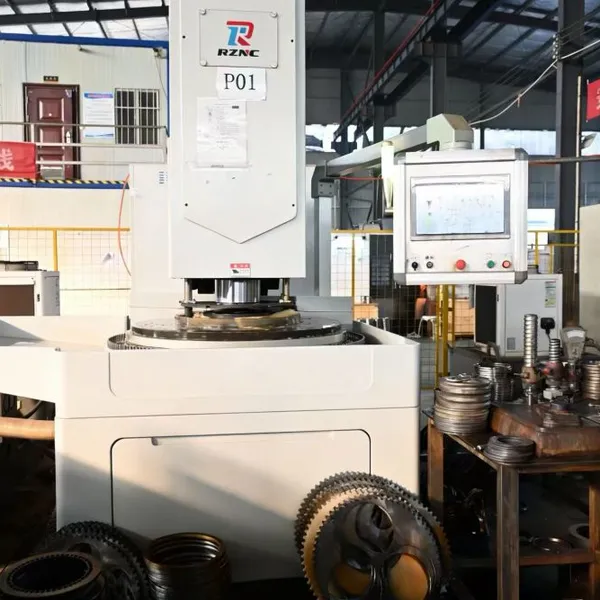 Read More
 -
ORT Series Rotary Table Bearings – The Smart Buyer‘s Choice for High‑Precision CNC Applications
July 28, 2026For CNC machine tool builders, the rotary table bearing is a mission-critical component. Its performance directly determines posit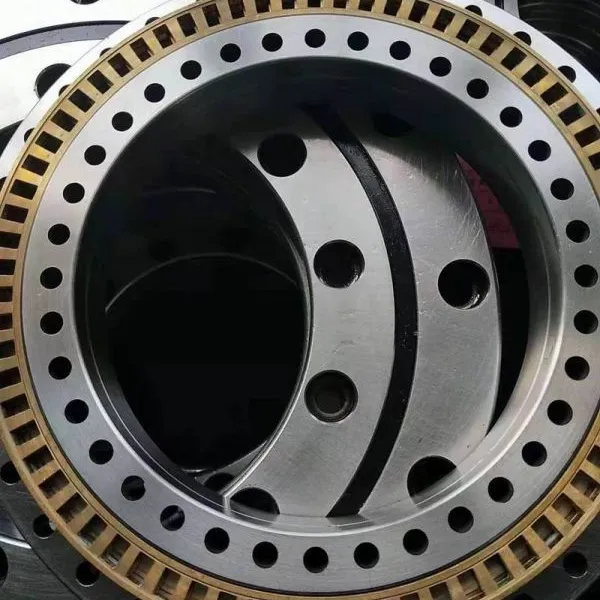 Read More
 -
Seize the Humanoid Robot Boom – The Bearing Market‘s Biggest Growth Opportunity
July 28, 2026The humanoid robot industry is transitioning from research labs to commercial production—and precision bearings are at the center Read More
 -
China’s Bearing Industry Has Come of Age – Here’s Why Global OEMs Are Paying Attention
July 28, 2026If you have historically sourced precision bearings only from traditional European and Japanese manufacturers due to quality conce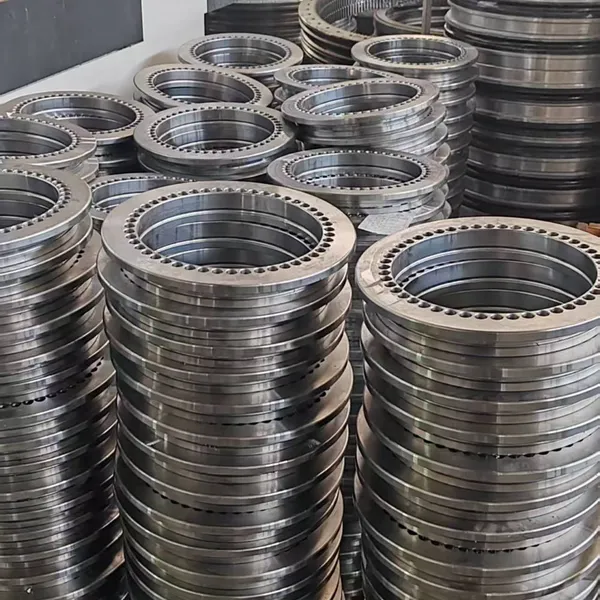 Read More

Contact Us
Recommended Products
-
 Thin-Walled Crossed Roller Bearings ORA 20013NegotiableMOQ: 5 Pieces
 -
Thin-Walled Crossed Roller Bearings ORA 19013NegotiableMOQ: 5 Pieces
-
Thin-Walled Crossed Roller Bearings ORA 6008NegotiableMOQ: 5 Pieces
-
Thin-Walled Crossed Roller Bearings ORA 5008NegotiableMOQ: 5 Pieces
-
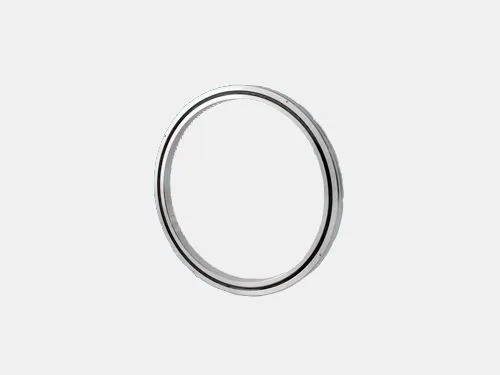
Thin-Walled Crossed Roller Bearings ORE 15025NegotiableMOQ: 5 Pieces

-
Thin-Walled Crossed Roller Bearings ORE 14016NegotiableMOQ: 5 Pieces
-
Thin-Walled Crossed Roller Bearings ORE 2508NegotiableMOQ: 5 Pieces
-
Thin-Walled Crossed Roller Bearings ORE 2008NegotiableMOQ: 5 Pieces
-
OKLDF Thrust Angular Contact Ball Bearings Series OKLDF 150NegotiableMOQ: 5 Pieces
-
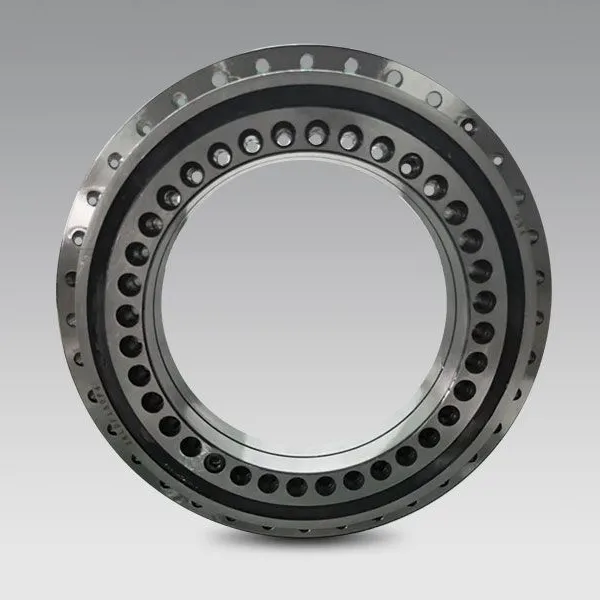
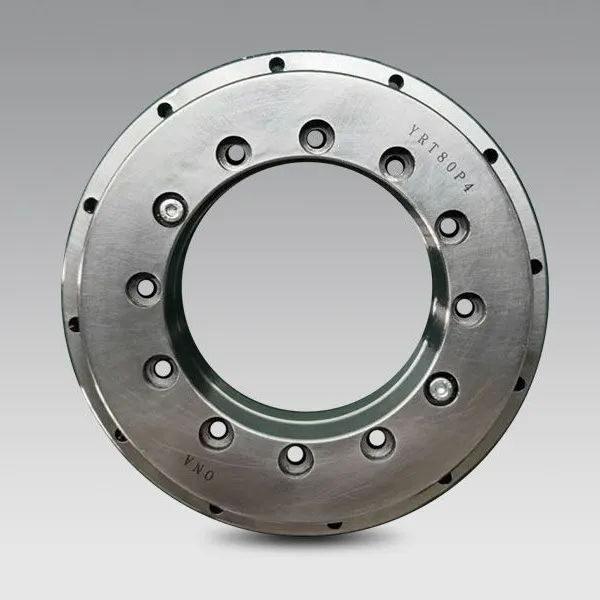
High Precision Rotary Table Bearings ORT 200NegotiableMOQ: 5 Pieces
-
High Precision Rotary Table Bearings ORT 150NegotiableMOQ: 5 Pieces
-
High Precision Rotary Table Bearings ORT 120NegotiableMOQ: 5 Pieces
-
High Precision Rotary Table Bearings ORT 100NegotiableMOQ: 5 Pieces
-
High Precision Rotary Table Bearings ORT 80NegotiableMOQ: 5 Pieces
-
High Precision Rotary Table Bearings ORT 50NegotiableMOQ: 5 Pieces

-
High Precision Rotary Table Bearings ORT 260NegotiableMOQ: 5 Pieces
-
High Precision Rotary Table Bearings ORT 180NegotiableMOQ: 5 Pieces
-
OKLDF Thrust Angular Contact Ball Bearings Series OKLDF 120NegotiableMOQ: 5 Pieces
-
OKLDF Thrust Angular Contact Ball Bearings Series OKLDF 325NegotiableMOQ: 5 Pieces
-
OKLDF Thrust Angular Contact Ball Bearings Series OKLDF 580NegotiableMOQ: 5 Pieces
