

 Business License
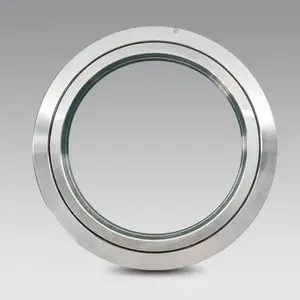
Bearing Failure Analysis – Root Causes, Detection, and Prevention Strategies
Even the highest-quality precision bearing will eventually reach the end of their service life-but premature failure is largely preventable .Understanding common failure modes,their root cause,and effective detection methods helps maintenance teams extend bearing life and reduce costly unplanned downtime
ISO failure mode classification
The Imternational Organization for standardization provides a framework for classifying bearing failures under ISO 15243.This standard
categorizes failure modes into several distinct types, enabling consistent diagnosis and root cause analysis across the industry. Rolling contact fatigue, for example, is a well-documented failure type caused by repeated stresses that develop in the contacts between rolling elements and raceways, visibly manifesting as a change in microstructure resulting from inadequate lubricant film thickness.
Why professional failure analysis matters
The value of systematic bearing failure analysis cannot be overstated. In one documented case at a major sugar refinery, repeated premature bearing failures caused significant production line downtime. Plant maintenance engineers were unable to determine the root cause after evaluating all plant conditions, as all available evidence was inconclusive. The bearings were then sent to SKF for ISO bearing damage analysis. SKF specialists classified the damage as rolling contact fatigue caused by inadequate lubricant film thickness. The analysis not only identified the root cause but also included corrective measures to prevent future occurrences and provided valuable insights into how various factors can contribute to premature bearing failure.
Common bearing failure modes
Failure Mode Primary Causes Detection Methods
Rolling contact fatigue Inadequate lubricant film thickness, excessive cyclic stress Vibration analysis, microscopic inspection of raceways
Lubrication failure Contaminated lubricant, incorrect grease type, insufficient relubrication Temperature monitoring, oil analysis (particle counts, viscosity checks)
Wear Contamination ingress, abrasive particles Visual inspection, dimensional measurement
Corrosion Moisture ingress, chemical attack Visual inspection (rust/discoloration), salt spray testing
Fretting/False brinelling Vibration during transport or storage Raceway indentation inspection, mounting mark analysis
Misalignment Incorrect shaft/housing fits, improper mounting Runout measurement, contact pattern analysis
How to spot bearing failures early
Several detection methods can warn of impending bearing failure before catastrophic damage occurs:
Vibration analysis provides an early warning of impending failure, as pits and surface damage often cause characteristic vibration signatures before they are visible to the naked eye
Temperature monitoring – Sudden temperature increases often indicate lubrication issues or developing contact damage
Acoustic emission (ultrasound) – Can detect bearing damage at its earliest stage when combined with machine learning analysis, providing “pure” data at high information density
Oil analysis – Particle counts, ferrography, and chemical analysis reveal contamination levels and wear particle generation
Lubricant film thickness monitoring – Inadequate lubricant film is a primary cause of rolling contact fatigue; monitoring film parameters enables proactive intervention
Prevention strategies that work
Based on industry best practices and failure analysis outcomes, effective prevention includes:
Maintain proper lubrication – Select the correct lubricant for speed, temperature, and load conditions; adhere to relubrication schedules; monitor lubricant condition
Ensure correct mounting – Use proper tools and techniques; avoid hammering bearings directly; apply force only through the correct ring
Protect against contamination – Use effective sealing arrangements; keep storage areas clean; handle bearings with gloves
Verify alignment and fits – Check shaft and housing dimensions before mounting; correct misalignment immediately
Monitor operating conditions – Implement condition monitoring systems; track vibration, temperature, and lubricant parameters
Ouna Bearing‘s commitment to reliability
At Luoyang Ouna Bearing Co., Ltd., every bearing is manufactured to P5, P4, and P2 precision grades with premium bearing steel and precision heat treatment (HRC 60-62)—the first line of defense against early failure. We provide proper handling and mounting instructions with every shipment to help customers maximize bearing service life.
Need assistance with bearing-related issues in your equipment? Contact our team for application-specific guidance—including lubricant recommendations, sealing configurations for contaminated environments, and mounting best practices.
Recently Posted
-
Upgrade Your CNC Performance with ORT Series Rotary Table Bearings – A Direct Drop‑In Replacement
June 3, 2026For CNC machine tool builders, the rotary table bearing is a mission‑critical component. Its performance directly determines posit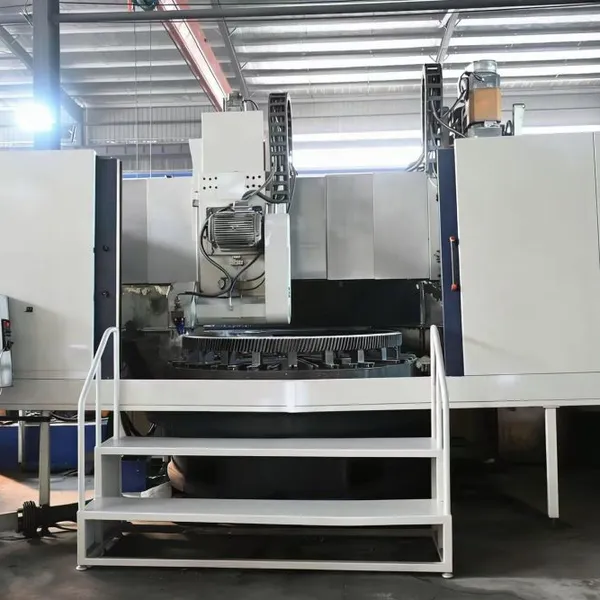 Read More
 -
China’s Bearing Industry Has Come of Age – Here’s Why Global OEMs Are Paying Attention
June 3, 2026If you have historically sourced precision bearings only from traditional European and Japanese manufacturers due to quality conce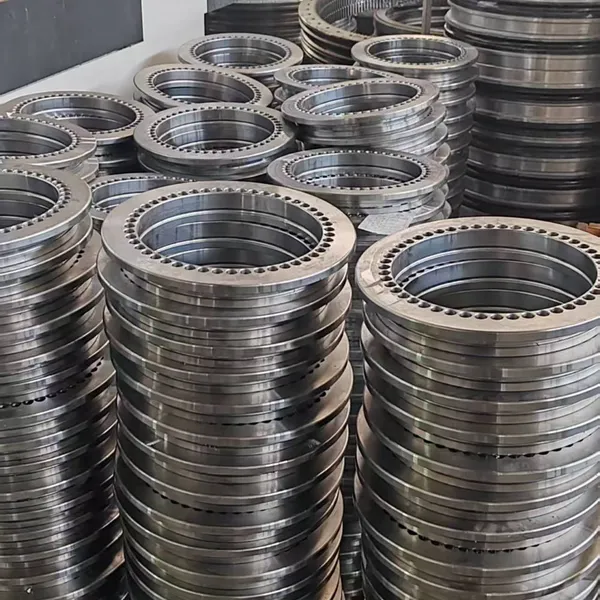 Read More
 -
Seize the Humanoid Robot Boom – The Bearing Market‘s Biggest Growth Opportunity
June 3, 2026The humanoid robot industry is transitioning from research labs to commercial production—and precision bearings are at the center Read More
 -
ORT Series Rotary Table Bearings – The Smart Buyer‘s Choice for High‑Precision CNC Applications
May 29, 2026For CNC machine tool builders, the rotary table bearing is a mission-critical component. Its performance directly determines posit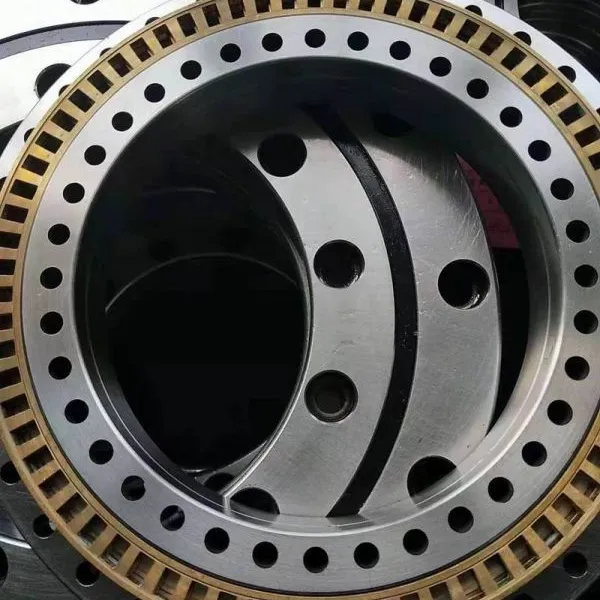 Read More

Contact Us
Recommended Products
-
 SHF Series Harmonic Drive BearingsNegotiableMOQ: 5 Pieces
 -
Robot Reducer BearingNegotiableMOQ: 5 Pieces
-
Robot Hollow Rotating Platform BearingNegotiableMOQ: 5 Pieces
-
Precision Slewing Bearings OXA 200810NNegotiableMOQ: 5 Pieces
-
OKLDF Thrust Angular Contact Ball Bearings Series OKLDF 100NegotiableMOQ: 5 Pieces
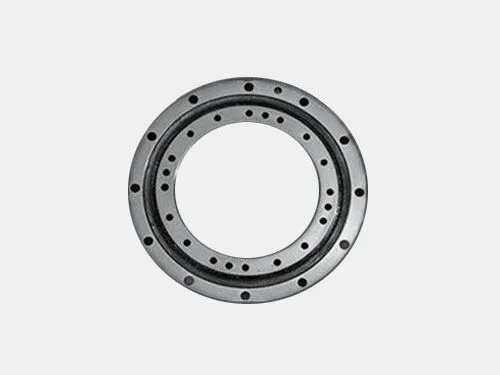
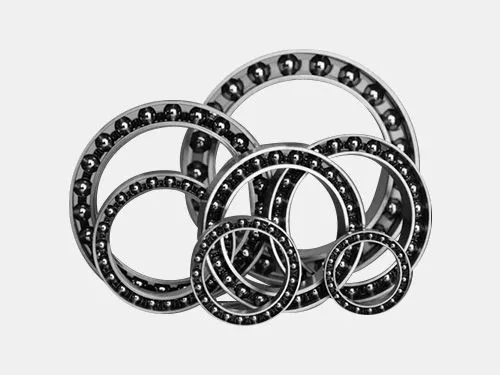
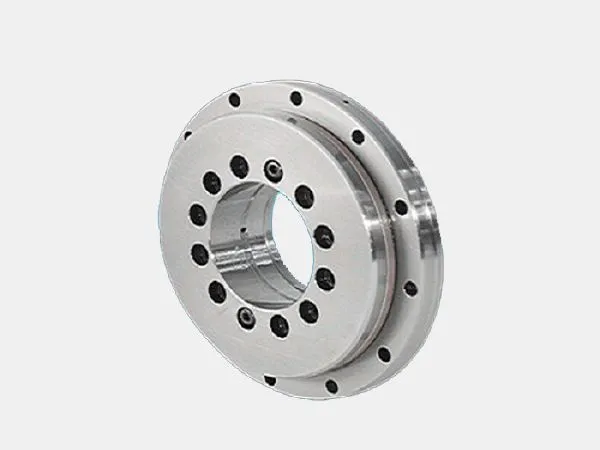
-
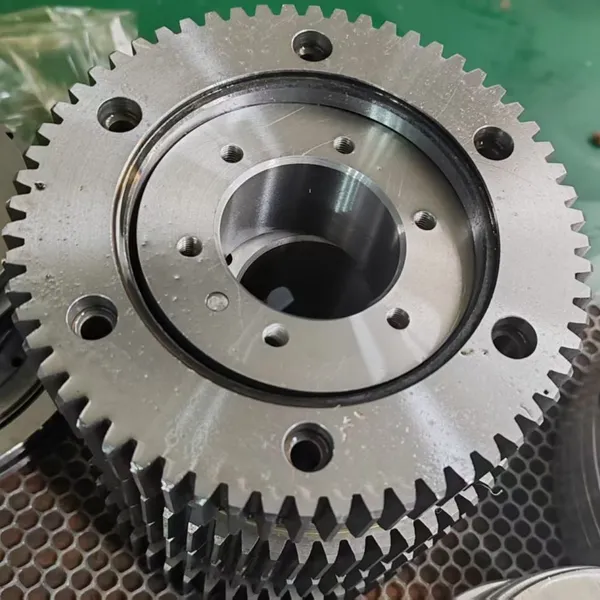
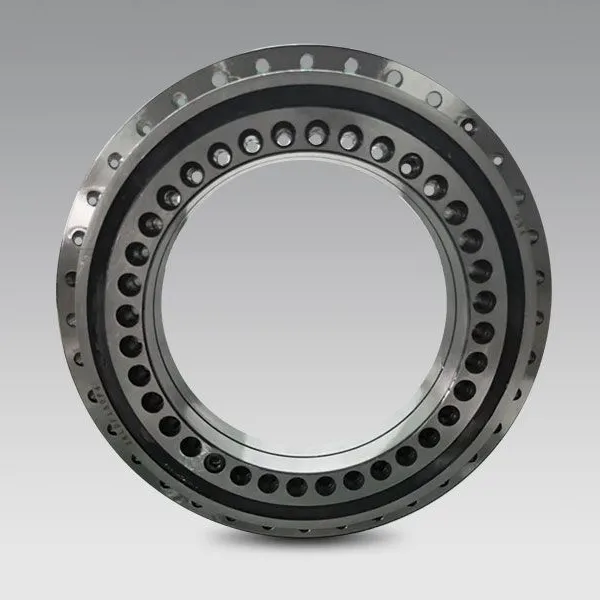
SHF Series Harmonic Drive BearingsNegotiableMOQ: 5 Pieces
-
Thin-Walled Crossed Roller Bearings ORB 6013NegotiableMOQ: 5 Pieces
-
Thin-Walled Crossed Roller Bearings ORB 5013NegotiableMOQ: 5 Pieces
-
Thin-Walled Crossed Roller Bearings ORB 4510NegotiableMOQ: 5 Pieces
-
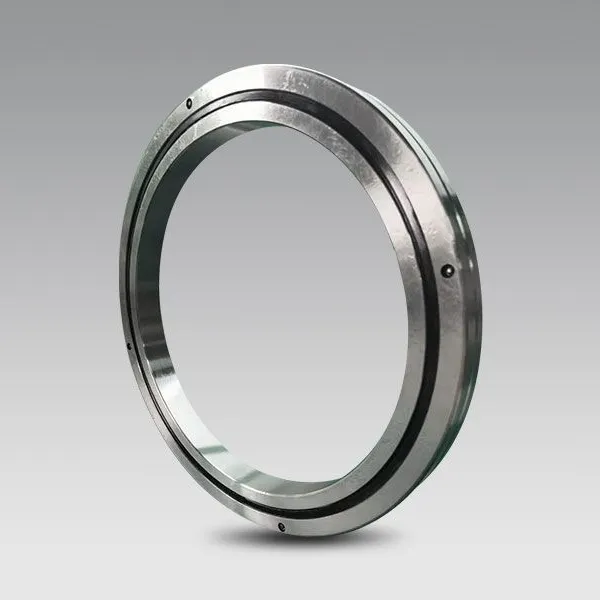
Thin-Walled Crossed Roller Bearings ORB 3010NegotiableMOQ: 5 Pieces
-
Thin-Walled Crossed Roller Bearings ORB 3510NegotiableMOQ: 5 Pieces
-
Thin-Walled Crossed Roller Bearings ORB 2508NegotiableMOQ: 5 Pieces
-
Thin-Walled Crossed Roller Bearings ORB 2008NegotiableMOQ: 5 Pieces
-
Thin-Walled Crossed Roller Bearings ORB 4010NegotiableMOQ: 5 Pieces
-
Thin-Walled Crossed Roller Bearings ORU 445(G)/445(X)NegotiableMOQ: 5 Pieces
-
Thin-Walled Crossed Roller Bearings ORU 297(G)/297(X)NegotiableMOQ: 5 Pieces
-
Thin-Walled Crossed Roller Bearings ORU 228(G)/228(X)NegotiableMOQ: 5 Pieces
-
Thin-Walled Crossed Roller Bearings ORU 178(G)/178(X)NegotiableMOQ: 5 Pieces
-
Thin-Walled Crossed Roller Bearings ORU 148(G)/148(X)NegotiableMOQ: 5 Pieces
-
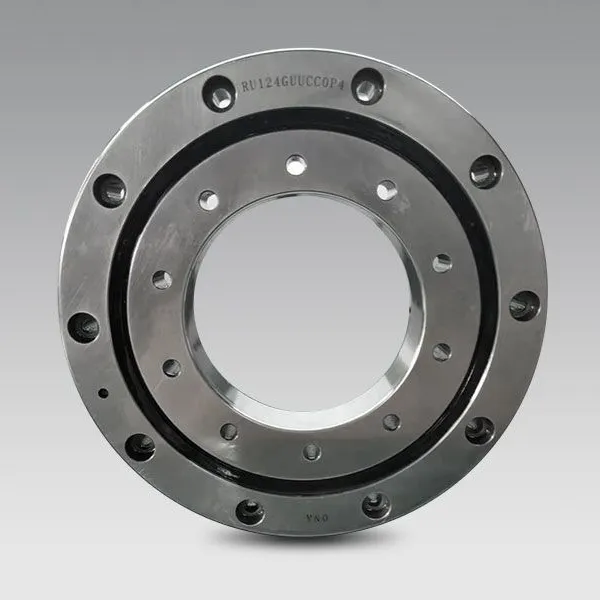
Thin-Walled Crossed Roller Bearings ORU 124(G)/124(X)NegotiableMOQ: 5 Pieces
