

 Business License
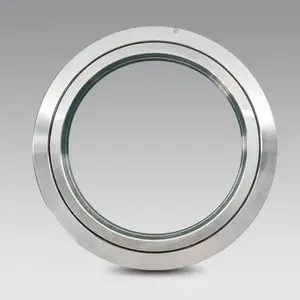
Bearings vs. Bushings – A Practical Guide for Mechanical Designers
When designing mechanical systems, engineers often face a fundamental choice: should this application use a rolling bearing or a plain bearing (bushing)? Understanding the key differences between these two motion control solutions is essential for optimizing performance, cost, and service life.
What distinguishes rolling bearings from bushings
Rolling bearings (the products Ouna Bearing specializes in) consist of multiple components: an inner race, an outer race, rolling elements (balls or rollers), and a cage that maintains proper spacing between the rolling elements. These components work together to allow two surfaces to roll over each other while reducing friction. Because of their round shape, rolling bearings support radial loads, axial loads, combined loads (radial and axial simultaneously), and moment (tilting) forces.
Bushings (also known as plain bearings or sleeve bearings) are fundamentally different. A bushing is typically a single, cylindrical piece—often made of brass, bronze, polymer, or composite materials—that reduces friction through sliding motion rather than rolling. Bushings slide while bearings roll. Bushings are ideal for distributing the weight of heavy or high-load-bearing tolerances. They act as shock absorbers and decrease noise and wear. Many bushings are self-lubricating, saving labor and time.
Key selection criteria
| Factor | Rolling Bearings | Bushings |
|---|---|---|
| Motion type | Rolling (balls/rollers rotate) | Sliding (surfaces slide) |
| Load capacity | Excellent for radial, axial, and moment loads | Excellent for heavy, slow-moving loads |
| Speed capability | High speed capability | Best for low to moderate speeds |
| Friction | Lower coefficient of friction | Higher friction, especially at startup |
| Lubrication | Requires regular lubrication | Many are self‑lubricating |
| Cost | Higher initial cost (25–400% more expensive) | Lower initial cost |
| Space requirements | Requires more axial/radial space | Compact, space‑saving design |
Practical guidelines for selection
Choosing between a rolling bearing and a bushing depends on several application parameters:
If you need to support a light load at a high rate of speed, rolling bearings will probably work best. Their lower coefficient of friction translates to smoother operation and less frequent lubrication compared to bushings.
For a slow-moving, heavy load, bushings may be the better choice. They distribute weight effectively and can handle shock loads better than rolling bearings, which can develop brinelling (surface indentations) under impact.
If space is extremely constrained and speeds are low, bushings offer compact, space-saving designs.
If your application requires high precision, high speeds, and consistent positioning accuracy, rolling bearings—particularly crossed roller bearings or rotary table bearings—are typically the only solution that meets the requirements.
Application examples across industries
| Industry | Typical Rolling Bearing Application | Typical Bushing Application |
|---|---|---|
| CNC machine tools | Spindles, rotary tables, linear guide rails | Slow-axis pivot points, indexing mechanisms |
| Industrial robotics | Robot joints, harmonic reducers, waist rotation | Arm linkage pivot points, end‑effector mounts |
| Automotive | Wheel bearings, transmission shafts | Suspension bushings, sway bar links |
| Medical equipment | CT scanner rotating gantries, surgical robot joints | Adjustable table mechanisms, non‑critical pivots |
The right bearing for the right application
Understanding the fundamental differences between rolling bearings and bushings helps design engineers make informed decisions. There is no single “best” solution—the optimal choice depends on load, speed, precision requirements, operating environment, and lifecycle cost considerations.
At Luoyang Ouna Bearing Co., Ltd., we manufacture high-precision rolling bearings including crossed roller bearings, ORT series rotary table bearings, precision four-point contact ball slewing bearings, thrust cylindrical roller bearings, and precision hoop type guide rails—all available in P5, P4, and P2 precision grades with outer diameters from φ20mm to φ2500mm. Our team can help you evaluate whether a rolling bearing solution is the right fit for your specific application requirements.
Contact us for engineering consultation—we are ready to help you select the optimal motion control solution for your next project.
Recently Posted
-
Made in Luoyang – China‘s Bearings Have Come of Age. Here‘s Why You Should Take Notice
July 28, 2026For international buyers who have hesitated to source precision bearings from China, the evidence is now overwhelming: China‘s bea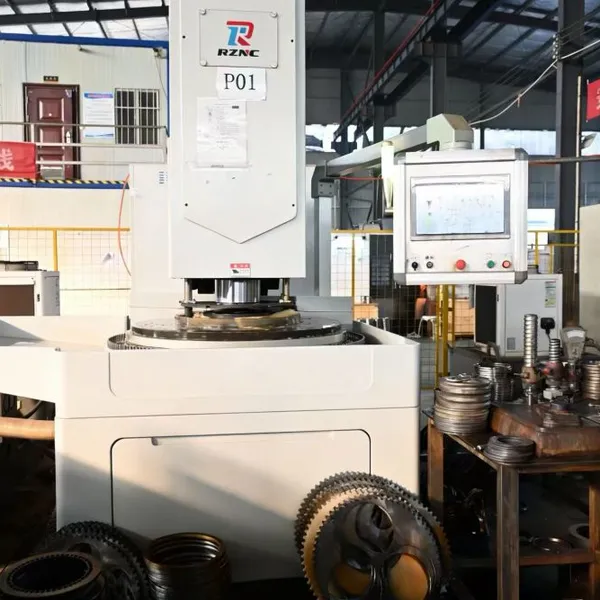 Read More
 -
ORT Series Rotary Table Bearings – The Smart Buyer‘s Choice for High‑Precision CNC Applications
July 28, 2026For CNC machine tool builders, the rotary table bearing is a mission-critical component. Its performance directly determines posit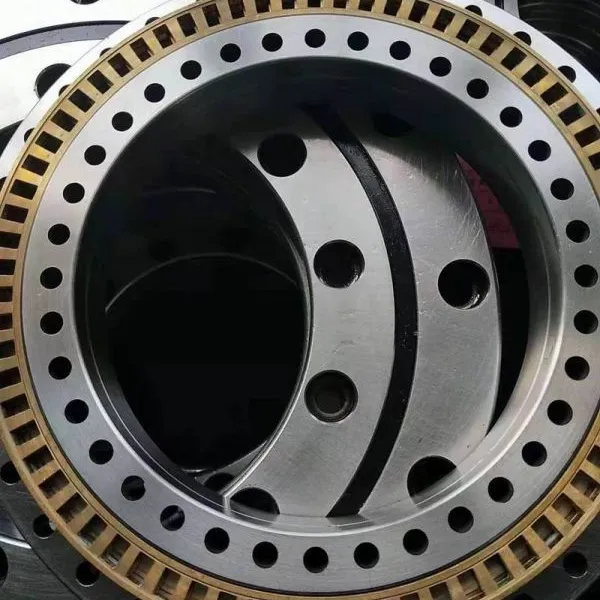 Read More
 -
Seize the Humanoid Robot Boom – The Bearing Market‘s Biggest Growth Opportunity
July 28, 2026The humanoid robot industry is transitioning from research labs to commercial production—and precision bearings are at the center Read More
 -
China’s Bearing Industry Has Come of Age – Here’s Why Global OEMs Are Paying Attention
July 28, 2026If you have historically sourced precision bearings only from traditional European and Japanese manufacturers due to quality conce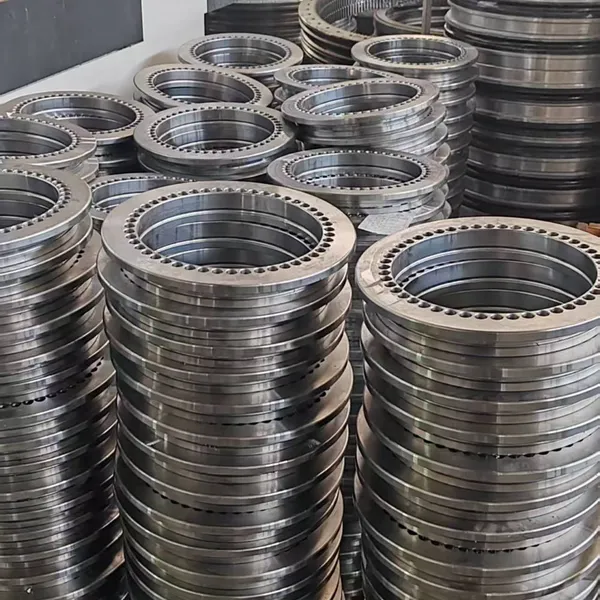 Read More

Contact Us
Recommended Products
-
 Thin-Walled Crossed Roller Bearings ORA 20013NegotiableMOQ: 5 Pieces
 -
Thin-Walled Crossed Roller Bearings ORA 19013NegotiableMOQ: 5 Pieces
-
Thin-Walled Crossed Roller Bearings ORA 6008NegotiableMOQ: 5 Pieces
-
Thin-Walled Crossed Roller Bearings ORA 5008NegotiableMOQ: 5 Pieces
-
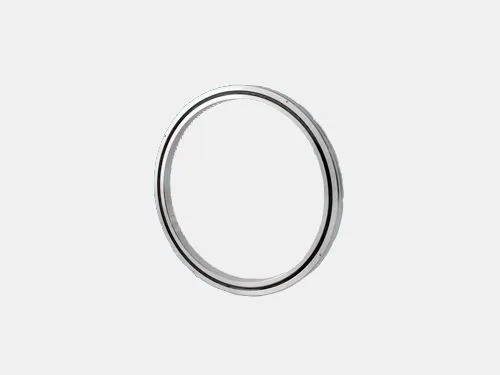
Thin-Walled Crossed Roller Bearings ORE 15025NegotiableMOQ: 5 Pieces

-
Thin-Walled Crossed Roller Bearings ORE 14016NegotiableMOQ: 5 Pieces
-
Thin-Walled Crossed Roller Bearings ORE 2508NegotiableMOQ: 5 Pieces
-
Thin-Walled Crossed Roller Bearings ORE 2008NegotiableMOQ: 5 Pieces
-
OKLDF Thrust Angular Contact Ball Bearings Series OKLDF 150NegotiableMOQ: 5 Pieces
-
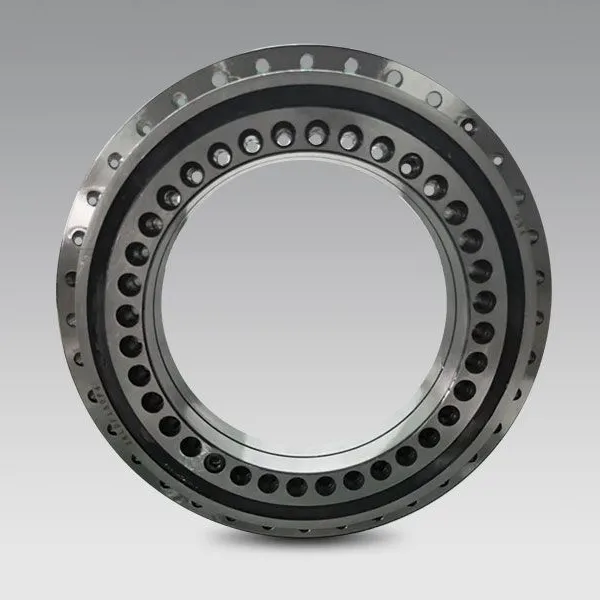
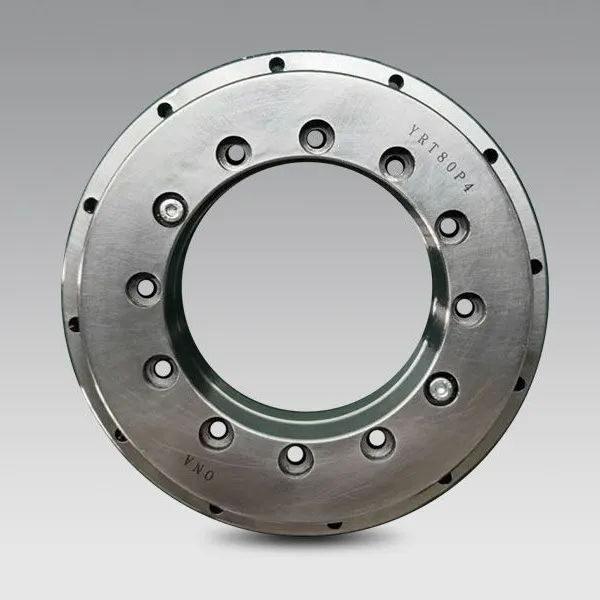
High Precision Rotary Table Bearings ORT 200NegotiableMOQ: 5 Pieces
-
High Precision Rotary Table Bearings ORT 150NegotiableMOQ: 5 Pieces
-
High Precision Rotary Table Bearings ORT 120NegotiableMOQ: 5 Pieces
-
High Precision Rotary Table Bearings ORT 100NegotiableMOQ: 5 Pieces
-
High Precision Rotary Table Bearings ORT 80NegotiableMOQ: 5 Pieces
-
High Precision Rotary Table Bearings ORT 50NegotiableMOQ: 5 Pieces

-
High Precision Rotary Table Bearings ORT 260NegotiableMOQ: 5 Pieces
-
High Precision Rotary Table Bearings ORT 180NegotiableMOQ: 5 Pieces
-
OKLDF Thrust Angular Contact Ball Bearings Series OKLDF 120NegotiableMOQ: 5 Pieces
-
OKLDF Thrust Angular Contact Ball Bearings Series OKLDF 325NegotiableMOQ: 5 Pieces
-
OKLDF Thrust Angular Contact Ball Bearings Series OKLDF 580NegotiableMOQ: 5 Pieces
