

 Business License
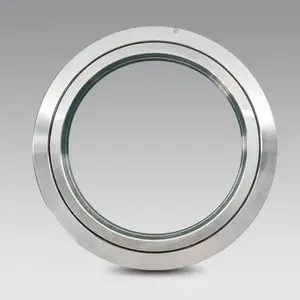
Bearing Handling and Storage — Best Practices to Preserve Precision and Extend Shelf Life
Even the highest-quality bearings can be damaged before they ever reach a machine. Improper handling and storage practices are a leading cause of premature bearing failure.
Unpacking and initial inspection
When bearings arrive from the supplier, proper unpacking is the first step to ensure product integrity. Inspect packaging for shipping damage — dents, tears, or moisture ingress [5†L9-L11]. Verify bearing markings, dimensions, and seals against the purchase order and packing slip. Handle bearings only with clean hands or gloves; bare hands leave corrosive sweat residue on precision surfaces [6†L2-L3].
Storage environment requirements
The storage area must meet specific conditions for long-term bearing preservation. Ambient temperature should be maintained at 20-25°C (68-77°F) — significant fluctuations can induce condensation inside bearing packages. Relative humidity must be kept below 65% to prevent surface corrosion. The storage area should be free of dust, corrosive gases (e.g., sulfur dioxide, ammonia), and vibration sources like heavy machinery or overhead doors. Vibration can cause false brinelling — surface indentations from stationary rolling element movement.
Inventory management
Well-organized storage prevents unnecessary handling damage. The “first-in, first-out” (FIFO) rule should be strictly followed when issuing bearings for production. Keep bearings in their original, unopened packaging until ready for installation — the factory-applied rust preventive coating remains effective only within sealed packaging. Do not stack heavy items on top of bearing cartons; case weight can deform shipping containers and potentially transmit force to bearing rings [8†L5-L7].
Common storage mistakes to avoid
Removing bearings from factory packaging for visual inspection — breaking the sealed barrier exposes precision surfaces to contaminants [5†L20-L23].
Storing bearings directly on concrete floors — moisture vapor transmission corrodes lower packaging layers over time.
Exposing bearings to direct sunlight — ultraviolet radiation degrades seal elastomers and lubricants.
Using chalk or markers directly on bearing surfaces — residues attract moisture and create corrosion initiation sites.
Inspection before installation
Before installation, clean the bearing and mating surfaces per application requirements. For critical equipment, running an oil spot test can validate bearing cleanliness. Place a drop of the lubricating oil on a filter paper; after 30 minutes, measure the diffusion ring diameter — ≤38mm indicates significant lubricant degradation from moisture or particles, requiring replacement [10†L8-L9]. Inspect sealing lips for cracks or damage; replace if any abnormality exists [10†L9-L11].
How Ouna Bearing supports proper handling
At Luoyang Ouna Bearing, we provide clear handling and storage instructions with every shipment. Our crossed roller bearings, high-precision rotary table bearings, and four-point contact ball slewing bearings are packaged in industry-standard anti-corrosion packaging with desiccant and vapor barriers. Contact us for downloadable handling and storage guides, or request our packaging data sheet to verify compatibility with your warehouse environment — backed by our commitment to product integrity from factory to installation.
Recently Posted
-
Made in Luoyang – China‘s Bearings Have Come of Age. Here‘s Why You Should Take Notice
July 28, 2026For international buyers who have hesitated to source precision bearings from China, the evidence is now overwhelming: China‘s bea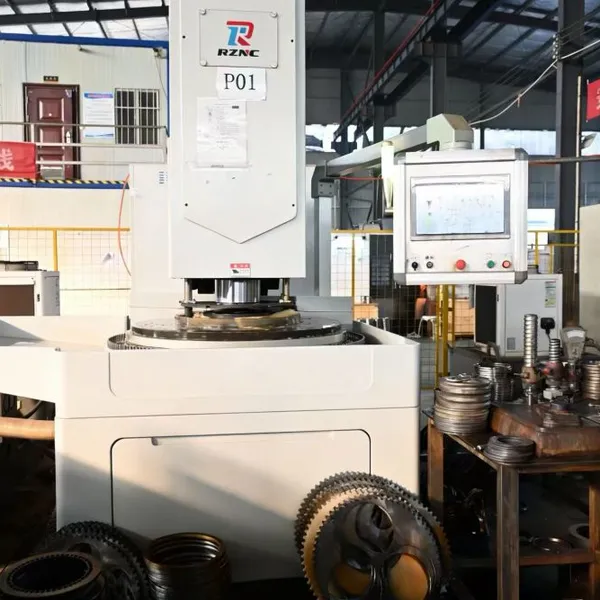 Read More
 -
ORT Series Rotary Table Bearings – The Smart Buyer‘s Choice for High‑Precision CNC Applications
July 28, 2026For CNC machine tool builders, the rotary table bearing is a mission-critical component. Its performance directly determines posit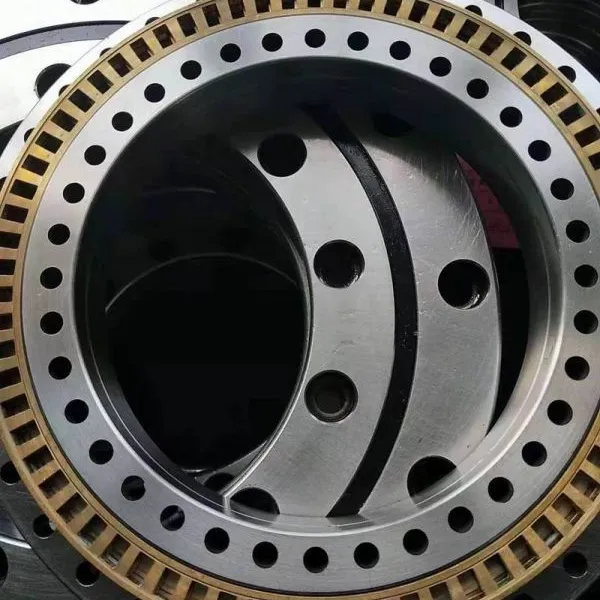 Read More
 -
Seize the Humanoid Robot Boom – The Bearing Market‘s Biggest Growth Opportunity
July 28, 2026The humanoid robot industry is transitioning from research labs to commercial production—and precision bearings are at the center Read More
 -
China’s Bearing Industry Has Come of Age – Here’s Why Global OEMs Are Paying Attention
July 28, 2026If you have historically sourced precision bearings only from traditional European and Japanese manufacturers due to quality conce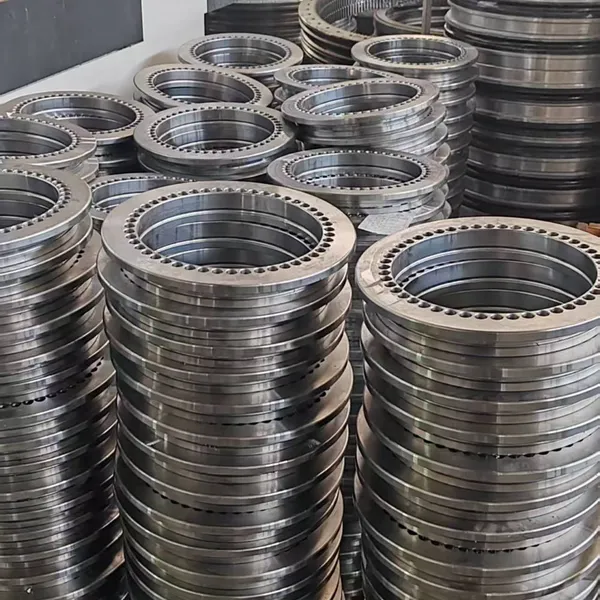 Read More

Contact Us
Recommended Products
-
 Thin-Walled Crossed Roller Bearings ORA 20013NegotiableMOQ: 5 Pieces
 -
Thin-Walled Crossed Roller Bearings ORA 19013NegotiableMOQ: 5 Pieces
-
Thin-Walled Crossed Roller Bearings ORA 6008NegotiableMOQ: 5 Pieces
-
Thin-Walled Crossed Roller Bearings ORA 5008NegotiableMOQ: 5 Pieces
-
Thin-Walled Crossed Roller Bearings ORE 15025NegotiableMOQ: 5 Pieces

-
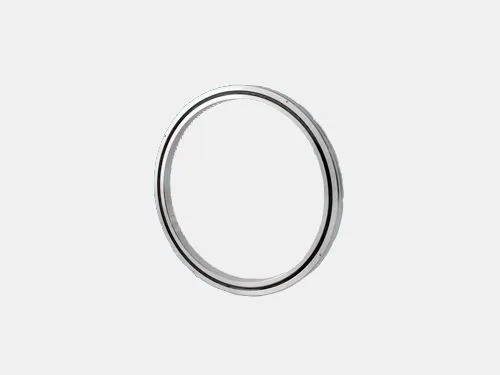
Thin-Walled Crossed Roller Bearings ORE 14016NegotiableMOQ: 5 Pieces
-
Thin-Walled Crossed Roller Bearings ORE 2508NegotiableMOQ: 5 Pieces
-
Thin-Walled Crossed Roller Bearings ORE 2008NegotiableMOQ: 5 Pieces
-
OKLDF Thrust Angular Contact Ball Bearings Series OKLDF 150NegotiableMOQ: 5 Pieces
-
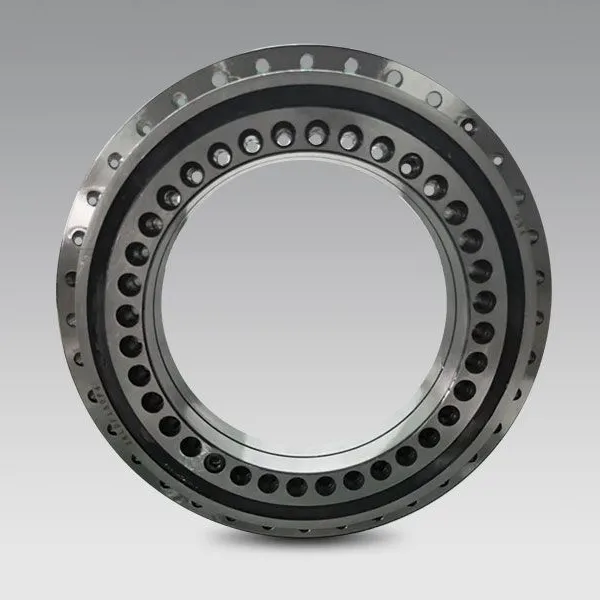
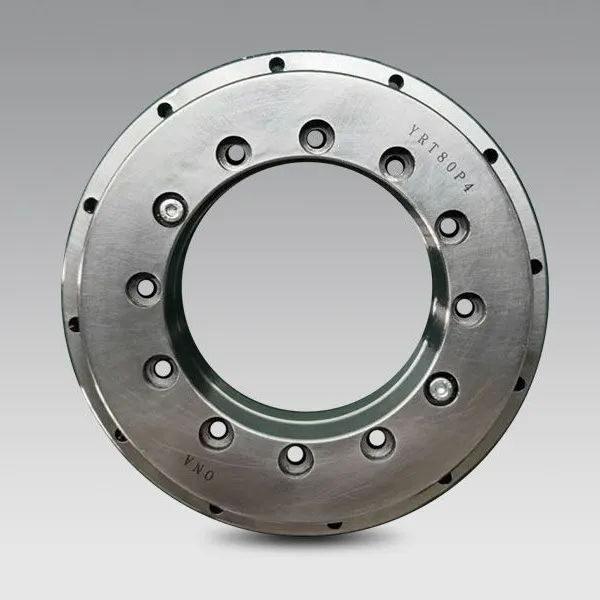
High Precision Rotary Table Bearings ORT 200NegotiableMOQ: 5 Pieces
-
High Precision Rotary Table Bearings ORT 150NegotiableMOQ: 5 Pieces
-
High Precision Rotary Table Bearings ORT 120NegotiableMOQ: 5 Pieces
-
High Precision Rotary Table Bearings ORT 100NegotiableMOQ: 5 Pieces
-
High Precision Rotary Table Bearings ORT 80NegotiableMOQ: 5 Pieces
-
High Precision Rotary Table Bearings ORT 50NegotiableMOQ: 5 Pieces

-
High Precision Rotary Table Bearings ORT 260NegotiableMOQ: 5 Pieces
-
High Precision Rotary Table Bearings ORT 180NegotiableMOQ: 5 Pieces
-
OKLDF Thrust Angular Contact Ball Bearings Series OKLDF 120NegotiableMOQ: 5 Pieces
-
OKLDF Thrust Angular Contact Ball Bearings Series OKLDF 325NegotiableMOQ: 5 Pieces
-
OKLDF Thrust Angular Contact Ball Bearings Series OKLDF 580NegotiableMOQ: 5 Pieces
