

 Business License
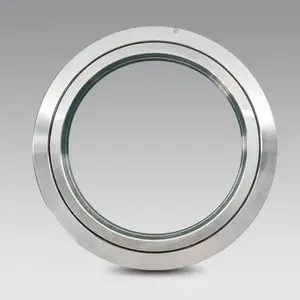
Common Bearing Failure Modes — How to Identify, Prevent, and Maximize Service Life
Even the highest-quality precision bearings will eventually fail — but premature failure can typically be prevented through proper application, installation, and maintenance. Understanding common failure modes and their root causes helps equipment operators maximize bearing service life and reduce unplanned downtime.
Lubrication-related failures are the leading cause of bearing damage — in many cases, the single most frequent cause of premature bearing failure [1†L26-L31]. Common issues include: grease not added, lubricant selection incorrect for operating conditions, lubrication method inadequate (e.g., insufficient relubrication intervals), lubricant contamination with particles or moisture, and lubricant degradation from high-temperature exposure or age. Prevention requires selecting the correct lubricant for speed, temperature, and load conditions; adhering to relubrication schedules (dynamic adjustment, e.g., 3,800 hours for heavy load, 5,600 hours for light duty) [10†L6-L8]; using sealed bearing designs in contaminated environments; and monitoring lubricant condition via oil analysis (e.g., spotting test — diffusion ring ≤38mm indicates significant degradation) [10†L8-L9].
Fatigue failures occur when bearings are subjected to cyclic stresses beyond their designed endurance limit. Typical indicators include flaking or spalling on raceways or rolling elements, micro-pitting (frosted appearance), and surface-initiated fatigue from contamination denting. Prevention involves accurate load calculation — not exceeding dynamic load rating, proper mounting practices (consistent, aligned fits, correct bearing internal clearance class), avoiding vibration damage during static periods (false brinelling), and switching to higher basic load rating (C) bearing type or increasing size if actual loads exceed predictions [1†L29-L31].
Wear-related failures result from abrasion, adhesion, or corrosion. Common symptoms include scoring or galling on raceways/rolling elements, abrasive wear from hard particles entering the bearing (lapping paste effect), adhesive wear (metal transfer) from inadequate lubrication, and corrosion (rust or chemical attack) in wet or aggressive environments. Prevention requires effective sealing — keep contaminants out, maintain proper lubricant film thickness, use surface treatments like black oxide for mild corrosion protection [14†L5-L7] or ZnNi plating for severe corrosive environments [13†L12-L14], and avoid operating temperatures above lubricant’s effective range.
Breakage failures usually point to severe overloads or brittle fracture. Symptoms include cracked ring or broken roller, fractured cage, and spalled raceway corners (edge loading from misalignment). Prevention demands avoidance of shock or impact loads exceeding material limits, ensuring correct mounting — no tilt or cocking during installation, use of precision spacers for the shaft and housing shoulders, and verification that shaft and housing material strength can accommodate the press-fit stresses.
At Luoyang Ouna Bearing, we manufacture all bearings to P5, P4 and P2 precision grades, with premium bearing steel and precision heat treatment (HRC 60-62) — the first line of defense against early failure. Contact us for application-specific guidance, including high-temperature lubricant recommendations, customized sealing configurations for contaminated environments, and custom non-standard sizes for unique applications where standard-bearing life may be insufficient. We are ready to help you maximize your equipment‘s uptime through properly specified, installed, and maintained precision bearings.
Recently Posted
-
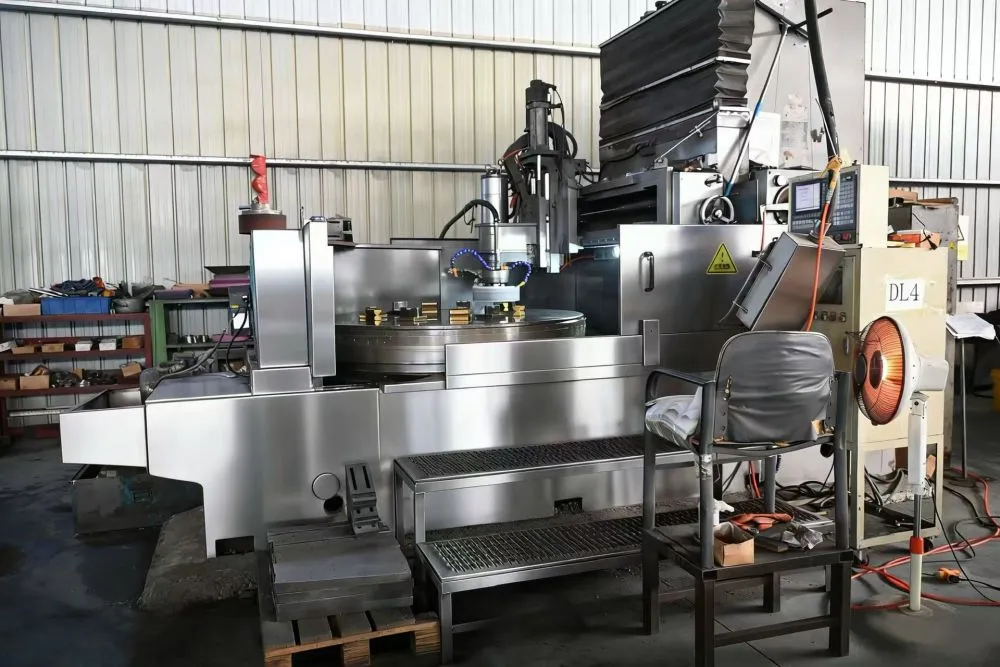
Made in Luoyang – China‘s Bearings Have Come of Age. Here‘s Why You Should Take Notice
July 28, 2026For international buyers who have hesitated to source precision bearings from China, the evidence is now overwhelming: China‘s bea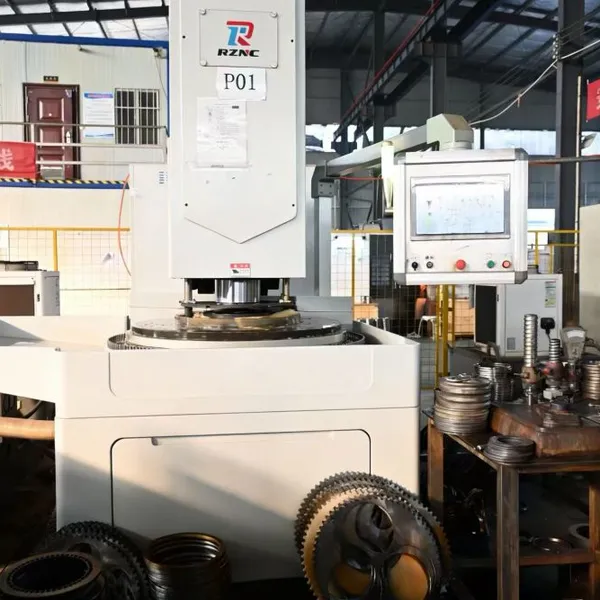 Read More
 -
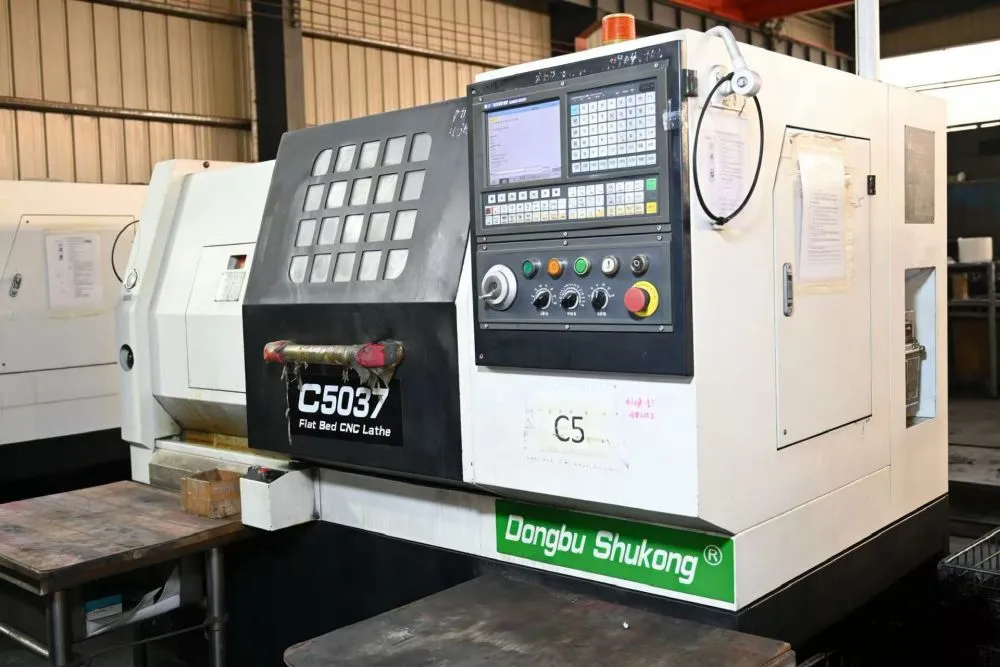
ORT Series Rotary Table Bearings – The Smart Buyer‘s Choice for High‑Precision CNC Applications
July 28, 2026For CNC machine tool builders, the rotary table bearing is a mission-critical component. Its performance directly determines posit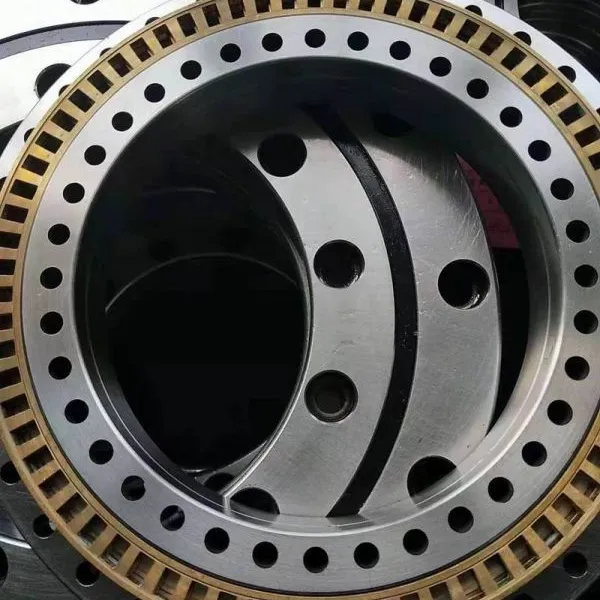 Read More
 -
Seize the Humanoid Robot Boom – The Bearing Market‘s Biggest Growth Opportunity
July 28, 2026The humanoid robot industry is transitioning from research labs to commercial production—and precision bearings are at the center Read More
 -
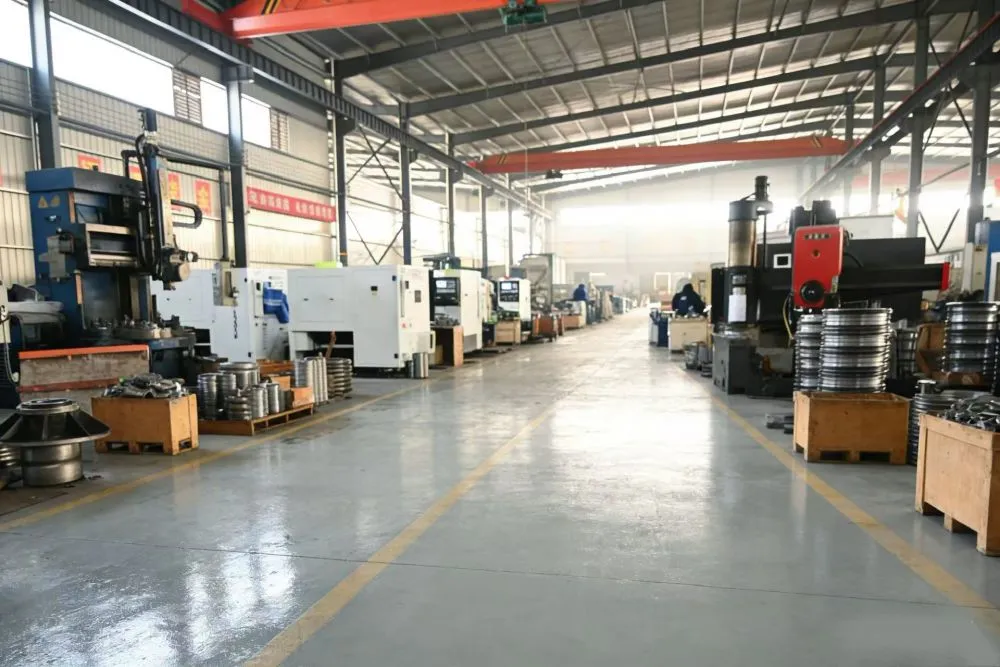
China’s Bearing Industry Has Come of Age – Here’s Why Global OEMs Are Paying Attention
July 28, 2026If you have historically sourced precision bearings only from traditional European and Japanese manufacturers due to quality conce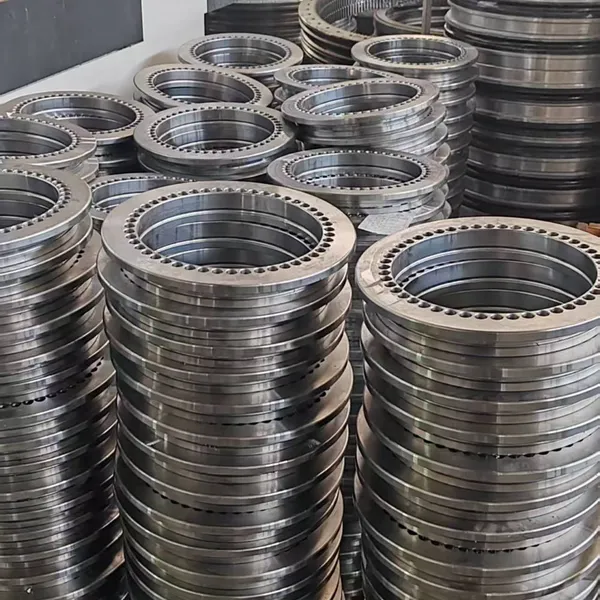 Read More

Contact Us
Recommended Products
-
 Thin-Walled Crossed Roller Bearings ORA 20013NegotiableMOQ: 5 Pieces
 -
Thin-Walled Crossed Roller Bearings ORA 19013NegotiableMOQ: 5 Pieces
-
Thin-Walled Crossed Roller Bearings ORA 6008NegotiableMOQ: 5 Pieces
-
Thin-Walled Crossed Roller Bearings ORA 5008NegotiableMOQ: 5 Pieces
-
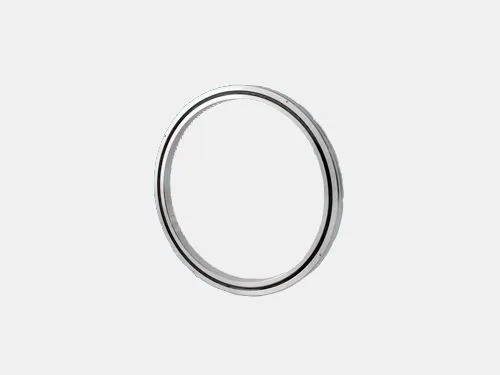
Thin-Walled Crossed Roller Bearings ORE 15025NegotiableMOQ: 5 Pieces

-
Thin-Walled Crossed Roller Bearings ORE 14016NegotiableMOQ: 5 Pieces
-
Thin-Walled Crossed Roller Bearings ORE 2508NegotiableMOQ: 5 Pieces
-
Thin-Walled Crossed Roller Bearings ORE 2008NegotiableMOQ: 5 Pieces
-
OKLDF Thrust Angular Contact Ball Bearings Series OKLDF 150NegotiableMOQ: 5 Pieces
-
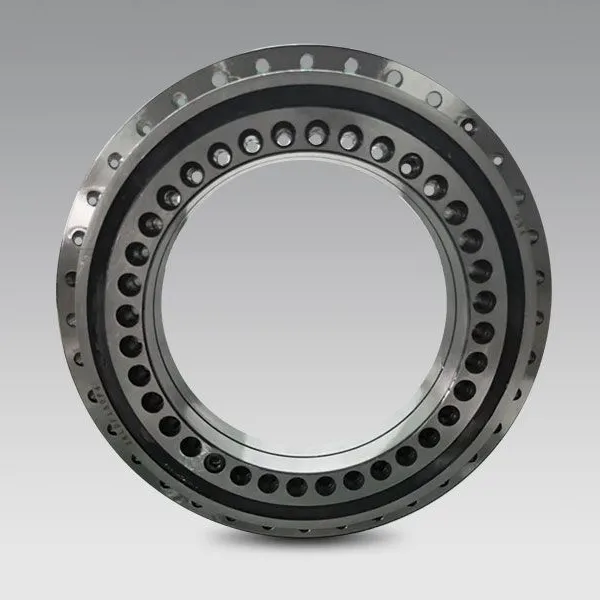
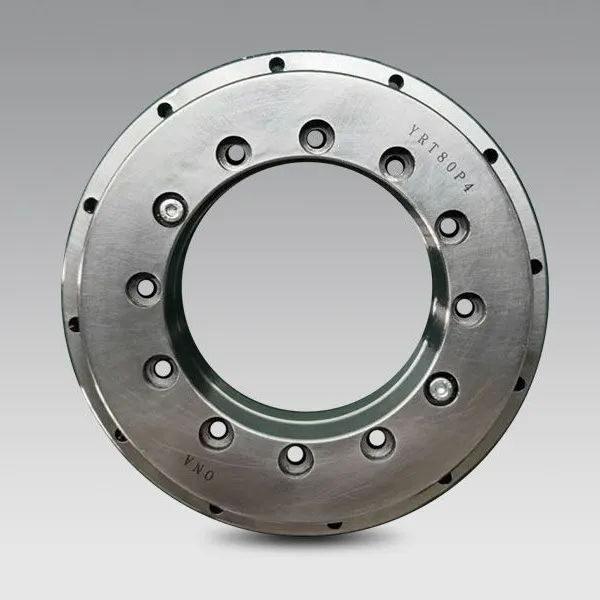
High Precision Rotary Table Bearings ORT 200NegotiableMOQ: 5 Pieces
-
High Precision Rotary Table Bearings ORT 150NegotiableMOQ: 5 Pieces
-
High Precision Rotary Table Bearings ORT 120NegotiableMOQ: 5 Pieces
-
High Precision Rotary Table Bearings ORT 100NegotiableMOQ: 5 Pieces
-
High Precision Rotary Table Bearings ORT 80NegotiableMOQ: 5 Pieces
-
High Precision Rotary Table Bearings ORT 50NegotiableMOQ: 5 Pieces

-
High Precision Rotary Table Bearings ORT 260NegotiableMOQ: 5 Pieces
-
High Precision Rotary Table Bearings ORT 180NegotiableMOQ: 5 Pieces
-
OKLDF Thrust Angular Contact Ball Bearings Series OKLDF 120NegotiableMOQ: 5 Pieces
-
OKLDF Thrust Angular Contact Ball Bearings Series OKLDF 325NegotiableMOQ: 5 Pieces
-
OKLDF Thrust Angular Contact Ball Bearings Series OKLDF 580NegotiableMOQ: 5 Pieces
